
Last updated November 25, 2026
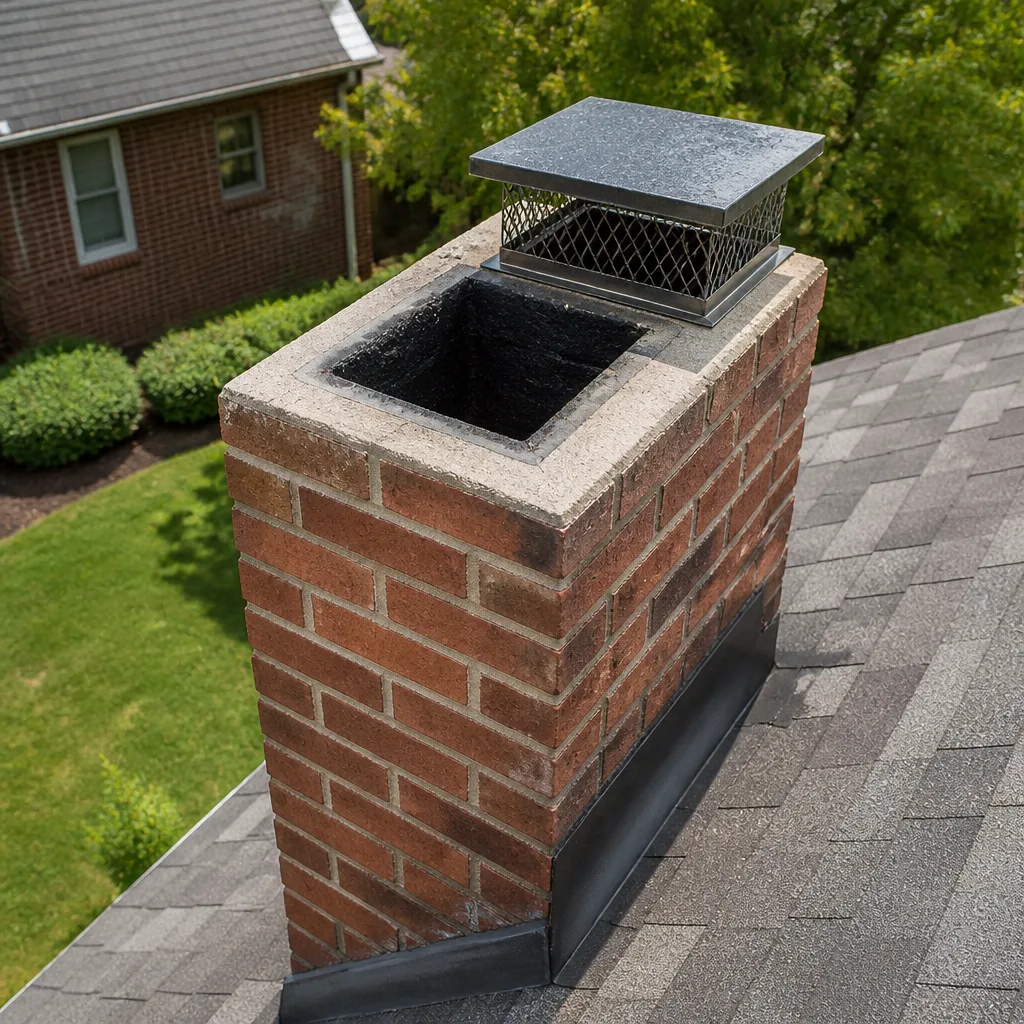 Sweep & inspection
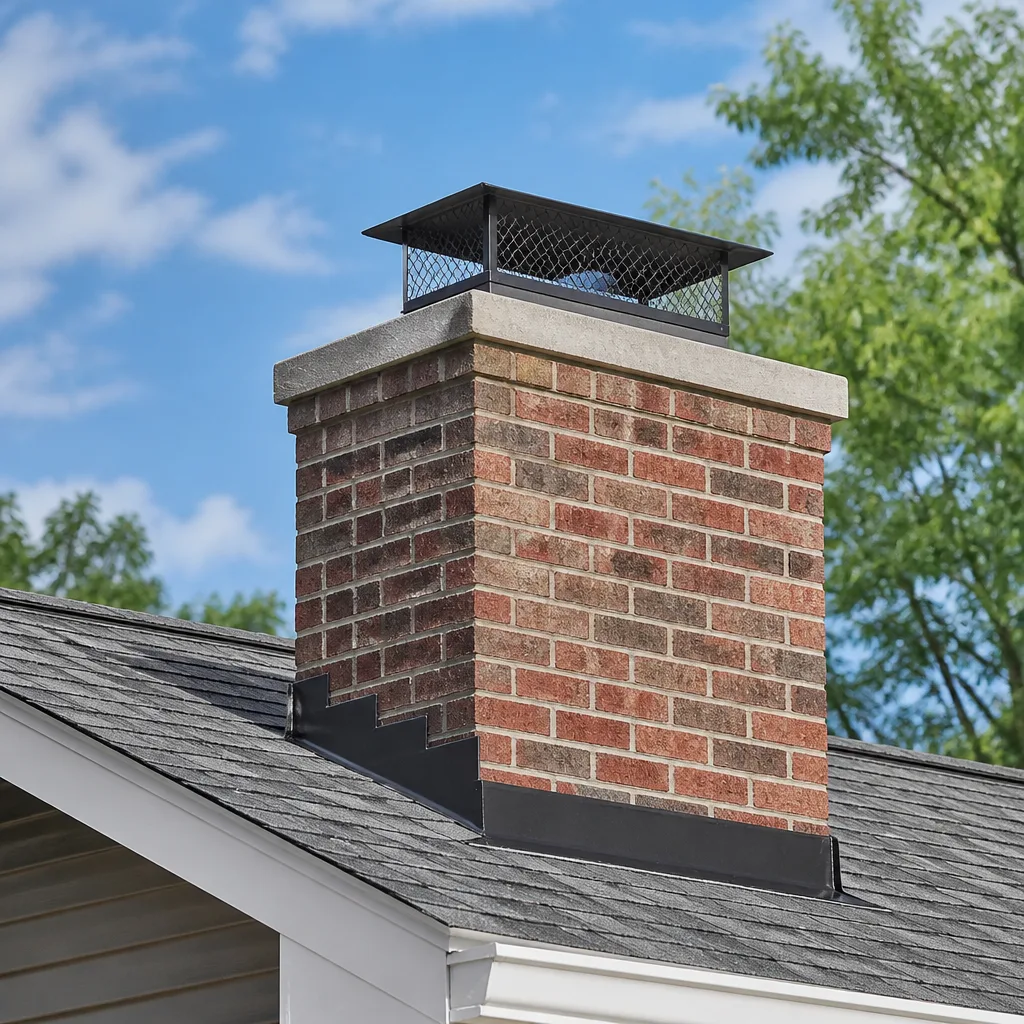 Caps & crowns
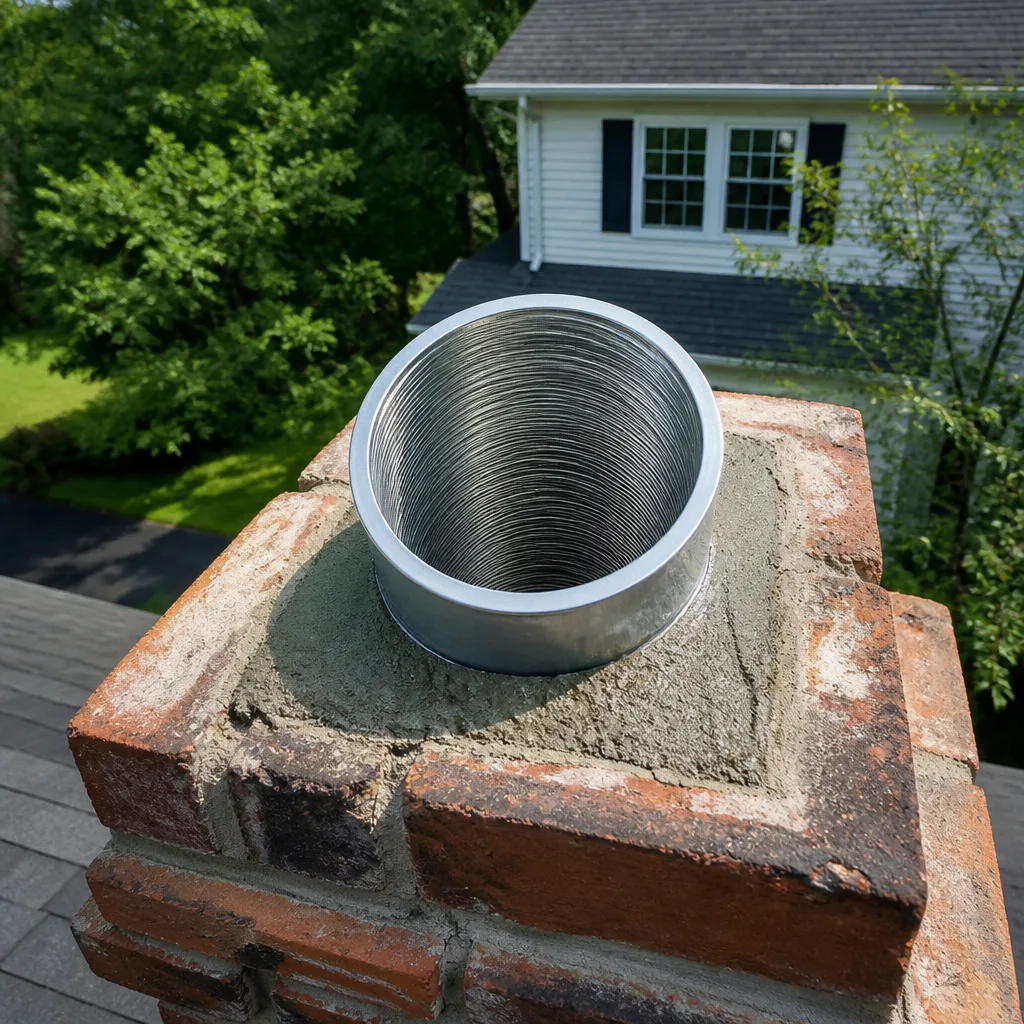 Flue relining
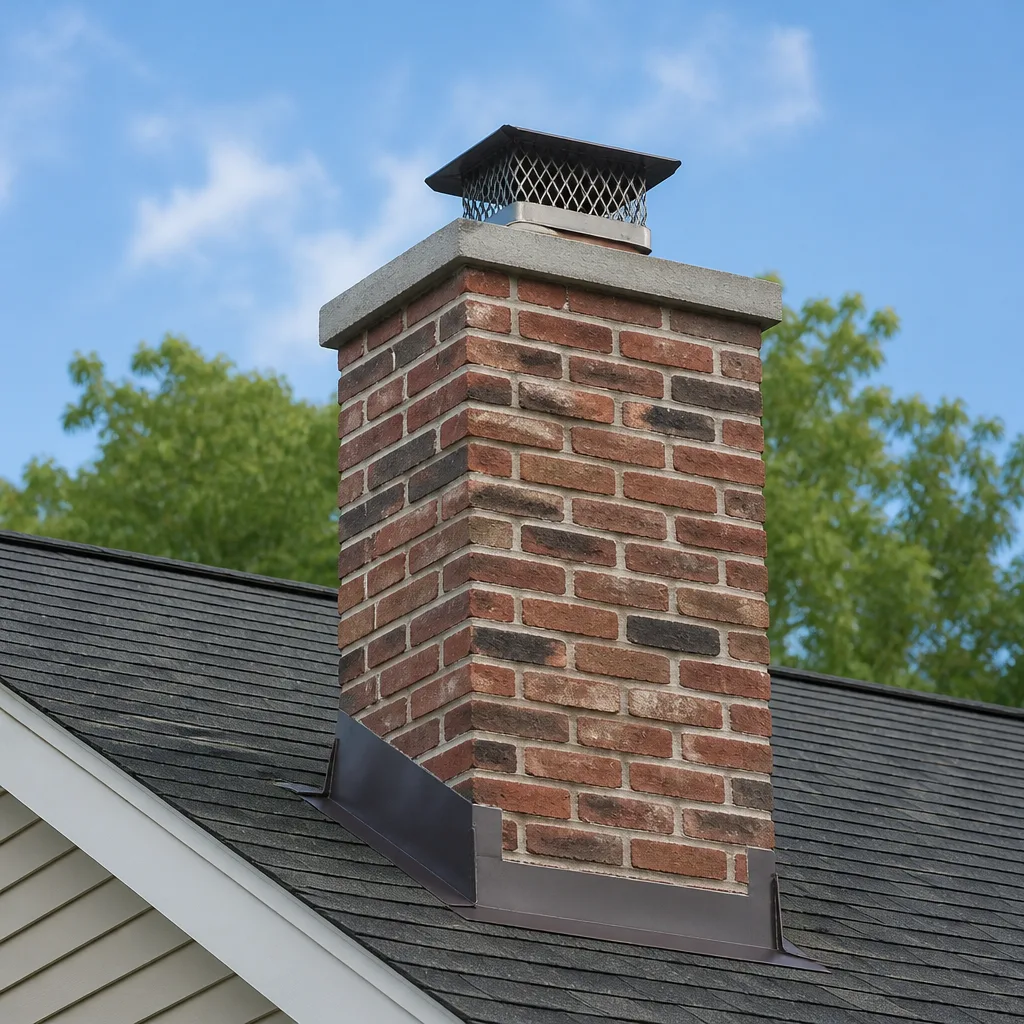 Masonry repair
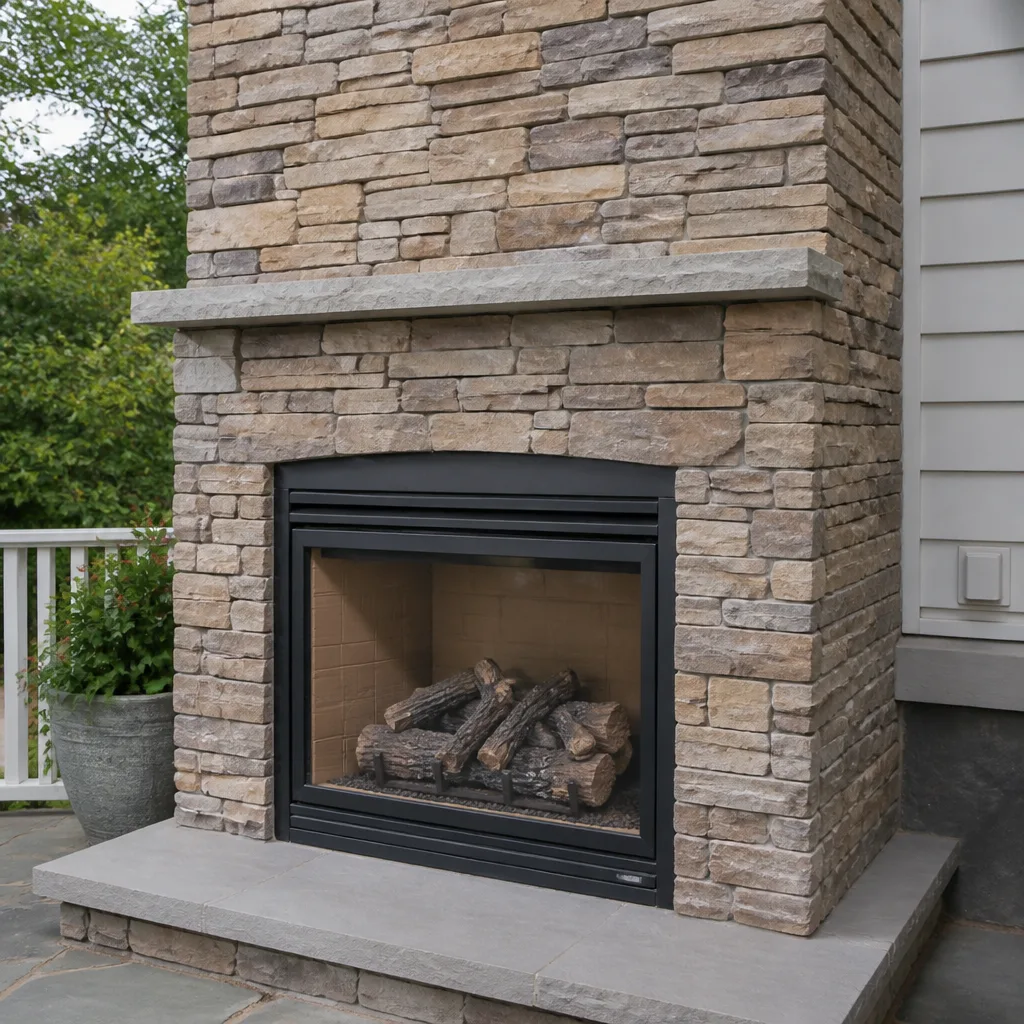 Gas fireplace service
Level 1 sweep and inspection to the NFPA 211 annual standard - flue, crown, cap, and flashing checked and photographed
Chimney sweep logs do not sweep chimneys. They loosen some creosote - which then falls where a brush and vacuum still have to collect it.
Seasonal Chimney Cleaning Care for Tacoma: Year-Round Homeowner’s Guide
Most homeowners in Tacoma think about their chimney twice a year: once when they light the first fire and once when they scrape out the last of the ash. That schedule misses the months when the real damage happens. Our damp, mild climate doesn’t give chimneys a clean off-season – moisture works on masonry, crowns, and flashing every month of the year, and the failures that force a November repair usually started back in July. This guide breaks chimney care into four seasons, assigns specific tasks to each one, and shows you how to keep a simple record that makes every future inspection faster and more accurate. We’ll cover what to check in fall, how to read draft problems in winter, why spring is the inspection window, and what summer is genuinely best for.
Quick Answer
Chimney care in Tacoma is a four-season job, not an annual one. Fall is for confirming the flue is clear and the cap is intact before the first fire; winter is for managing creosote and draft in wet cold; spring is for moisture and masonry inspection; summer is for crown, flashing, and liner repairs while schedules are open. Book a professional sweep and inspection in late summer or early fall, and log what you see year-round so you have real history when the technician arrives. Call (844) 625-6797 to schedule.
Styles & brands we work with
- Sweep & inspection
- Caps & crowns
- Flue relining
- Masonry repair
- Gas fireplace service
Table of Contents
- Why Tacoma Chimneys Need Year-Round Care
- Fall: Before the First Fire of the Season
- Winter: Draft, Creosote, and Damp Cold
- Spring: The Post-Season Inspection Window
- Summer: Repairs, Crowns, and Wildlife
- How to Keep a Chimney Log That Helps
- Common Mistakes to Avoid
- When to Call a Professional
Why Tacoma Chimneys Need Year-Round Care
A chimney in a dry climate gets a break. Masonry dries out between storms, mortar sets hard, and the system sits idle without much consequence. Tacoma doesn’t offer that break. Our wet winters and cool, humid shoulder seasons mean the outside of a chimney stays damp for long stretches, and that moisture is what ages a chimney fastest. It gets into hairline cracks in the mortar, freezes and expands on the cold nights, and works the joints loose over time. Water is the most common cause of the structural problems we see, not fire.
That changes the whole logic of maintenance. If you only think about your chimney when you’re burning wood, you’re ignoring the eight or nine months when moisture is doing its quiet work. The system has two jobs happening at once – venting combustion safely when it’s in use and staying watertight when it isn’t. Year-round care means giving each of those jobs the attention it needs in the season that suits it.
There’s a second reason a calendar helps: scheduling. Chimney work in the Puget Sound area bunches up hard in October and November, when everyone suddenly wants an inspection before the holidays. If you wait until the first cold week to call, you’re competing with a full book. Homeowners who spread the work across the year get faster appointments, and repairs that need the dry months – crowns, flashing, liner work – actually happen in the weather that lets them cure properly.
One more thing worth saying plainly: chimney fires and carbon monoxide problems are real risks, and we take them seriously. But an annual rhythm of inspection and maintenance is what keeps those risks small. The guide below is about staying ahead of them instead of reacting to them.
Fall: What to Confirm Before the First Fire of the Season
Fall in Tacoma doesn’t arrive all at once. The rain comes back, the nights cool, and at some point you want a fire. Before that first fire, the goal isn’t a generic “get it cleaned” – it’s confirming the system is clear, intact, and ready to vent. Our technicians have up to 15 years of experience, and the checklist below reflects the order we work through on a fall inspection.
Fall readiness checklist
- Confirm the flue is clear. Birds, squirrels, and debris can block a flue over the unused months. A blocked flue pushes smoke and carbon monoxide back into the room. This is the single most important check before lighting up – and it’s one you can’t do safely from below.
- Look at the cap from the ground. Binoculars are enough. If the cap is missing, bent, or clogged with nesting material, the flue is exposed to rain and wildlife and needs attention before the season.
- Check the firebox and damper. Open and close the damper to confirm it moves freely. Look for cracked firebrick or loose mortar in the firebox – a repair we handle through fireplace repair before it spreads.
- Schedule the sweep. A professional chimney sweep clears creosote and debris and gives you a look at the flue’s actual condition, not just your guess at it.
- Test the draft with a small fire. A single sheet of newspaper or a small kindling fire tells you whether smoke draws up and out. If it rolls back into the room, stop and get it checked.
Why fall and not later? Because early-season rain plus a warm house means the chimney exterior is wet while the interior is warm and dry – a setup that stresses masonry and makes any existing crack more likely to widen over the winter. Confirming the system before the wet season is fully underway gives you the dry-weather window to fix small issues before they become the expensive kind.
Winter: Draft, Creosote, and the Damp Cold
Winter in Tacoma is long, wet, and rarely deep-frozen. That combination creates two practical challenges for anyone burning wood: draft that behaves inconsistently, and creosote that builds faster than you might expect. Both are manageable if you know what to watch for.
Draft troubleshooting in wet cold
A cold, damp chimney is harder to start than a dry one. On a raw morning, the flue is full of heavy, moist air that doesn’t want to rise. That’s why a fire that smokes on a wet day can burn cleanly a week later. Warm the flue before you light the main fire – a rolled newspaper torch held near the damper (not in the firebox itself) helps establish upward flow. If draft is persistently poor – smoke backing up on multiple fires, not just damp mornings – that points to a real obstruction, a sizing problem, or a damaged flue liner, and it needs inspection rather than a workaround.
Creosote buildup by burn frequency
Creosote forms when wood smoke cools on the flue walls before it escapes. How fast it accumulates depends on how much you burn, what you burn, and how well the fire drafts. As a rough picture of what drives buildup:
- Occasional fires (a few evenings a month) tend to build light creosote over a season – annual sweeping usually handles it.
- Regular burning (several fires a week) builds glaze faster, and a mid-season look at the flue is worth considering.
- Daily burning through the cold months builds the most, especially with unseasoned wood or a smoldering fire. That’s when creosote glazing – the hard, shiny, flammable kind – becomes a real concern.
Seasoned wood and a hot, active fire reduce creosote more than any gadget. So does keeping the flue clear of the “cool smoke” that damp wood produces. If you find yourself fighting a smoky fire all winter, the chimney may need more than a sweep – our guide on that lives on the Tacoma Chimney Sweep Pros main page.
Spring: The Post-Season Inspection Window
Spring is the season most homeowners skip, and it’s the one that matters most for the structure. When the burning season ends, the chimney has just been through months of heat and moisture cycling. That’s exactly when you want to look at what the winter did. In our experience, the issues that force fall repairs were visible the previous spring, when they were still small.
Why spring inspection beats spring cleaning
A spring visit is less about cleaning and more about assessment. The firebox and flue have just carried their heaviest load; the exterior has just had a full wet season. That’s the richest moment to check two things:
- Moisture intrusion. Look for water staining on the masonry, efflorescence (the white chalky residue of salts pushed out by water), soft or spalling brick, and rust on the damper or firebox hardware. Any of these point to water finding a way in – through the crown, the flashing, or a hairline crack in the mortar.
- Flue condition. A year of creosote and condensate leaves its mark on the liner. This is the season to confirm whether the flue is sound or has reached the point where chimney cap & crown or liner work is on the horizon.
The great value of a spring inspection is timing: it gives you a whole spring and summer to plan and complete any repair before the next burning season. That’s more time than a fall visit allows, and it means you’re not locked into the fall backlog.
The flue that smells in warm weather
If your chimney smells odd in spring and summer – a sour, smoky, or musty odor – that’s usually residual creosote reacting to warm, humid air and mixed with a bit of moisture. It’s not a crisis, but it’s a signal the flue wasn’t clean enough at the end of the season. A professional sweep removes the residue, and a spring inspection confirms the liner is sound. If the flue is lined with an older or damaged system, our process may use HeatShield ceramic resurfacing to restore it rather than replace the whole liner – the restore-instead-of-replace approach we reach for when the flue’s structure is sound. This is also a good season to ask whether a fresh chimney cap & crown inspection is due.
Summer: Repairs, Crowns, and Wildlife
Summer looks like chimney down-time. It’s actually the best window of the year for anything that needs dry weather and open schedules – which is most of the work a chimney can need. If your spring inspection flagged something, summer is when it gets fixed without a rush.
Crown, flashing, and liner work
The crown – the concrete cap at the very top of the masonry – takes the most weather of any part of the chimney. It cracks, it spalls, and once it fails, water runs straight down into the flue. Summer is when we can inspect and repair the crown and flashing in dry conditions, which is the only time masonry work should happen. The flashing where the chimney meets the roof deserves the same attention; a leak there shows up inside as a ceiling stain long before anyone thinks to blame the chimney. Liner installations – DuraFlex flexible liners solve offset or older flue layouts that a rigid liner can’t, and HeatShield resurfacing restores a sound flue at lower cost than full relining – are also best done now, while materials can cure and there’s no fire on.
Wildlife exclusion
An unused summer flue is prime real estate. Birds, squirrels, and raccoons move in fast, and a nest in the flue is both a fire hazard and a blockage. The fix is preventive: a proper cap keeps animals out year-round, and if you’re due for one, this is the season to have it fitted. A chimney cap & crown installation closes off the flue’s exposure to wildlife, rain, and debris – one job that covers all three.
Why summer appointments are easier
The practical advantage of summer work is availability. October fills fast. Summer doesn’t, so liners, crowns, firebox repairs, and cap work get scheduled quickly and completed before the cold returns. If you’ve been putting off a repair, the warm months are the low-friction time to book it.
How to Keep a Chimney Log That Helps
A technician who walks in with real history makes better decisions. A short written record of what you’ve observed – what the fire did, what you heard, what you saw – is the difference between a guess and an actual diagnosis. You don’t need fancy software. A notebook kept near the fireplace, or a note on your phone, is enough.
What to record season by season
- Each fire, briefly. Whether it drew well, smoked, or needed coaxing. Date and weather help – “cold and wet morning, smoked, fine after warming the flue” is useful information for a tech.
- Each month, any signs. Water stains, soot on the mantel, a smell, a change in how the damper sounds. Photograph cracks and staining so you can see change over time.
- Each service visit. The date, what was done, and anything the technician recommended but you deferred. That’s the single most valuable record.
- Each season’s findings. One line per season: what you checked, what you saw, what you decided to do.
When the annual service comes around, hand the log to the technician. They’ll know your burn frequency, how the fire typically behaves, and whether that flue smell is new or has been there for years. That context means a faster, more accurate inspection – and fewer surprises. For anyone new to a house, an inspection before first use is worth doing regardless; our main service page explains how a full-system chimney inspection covers the flue, firebox, cap, and crown together.
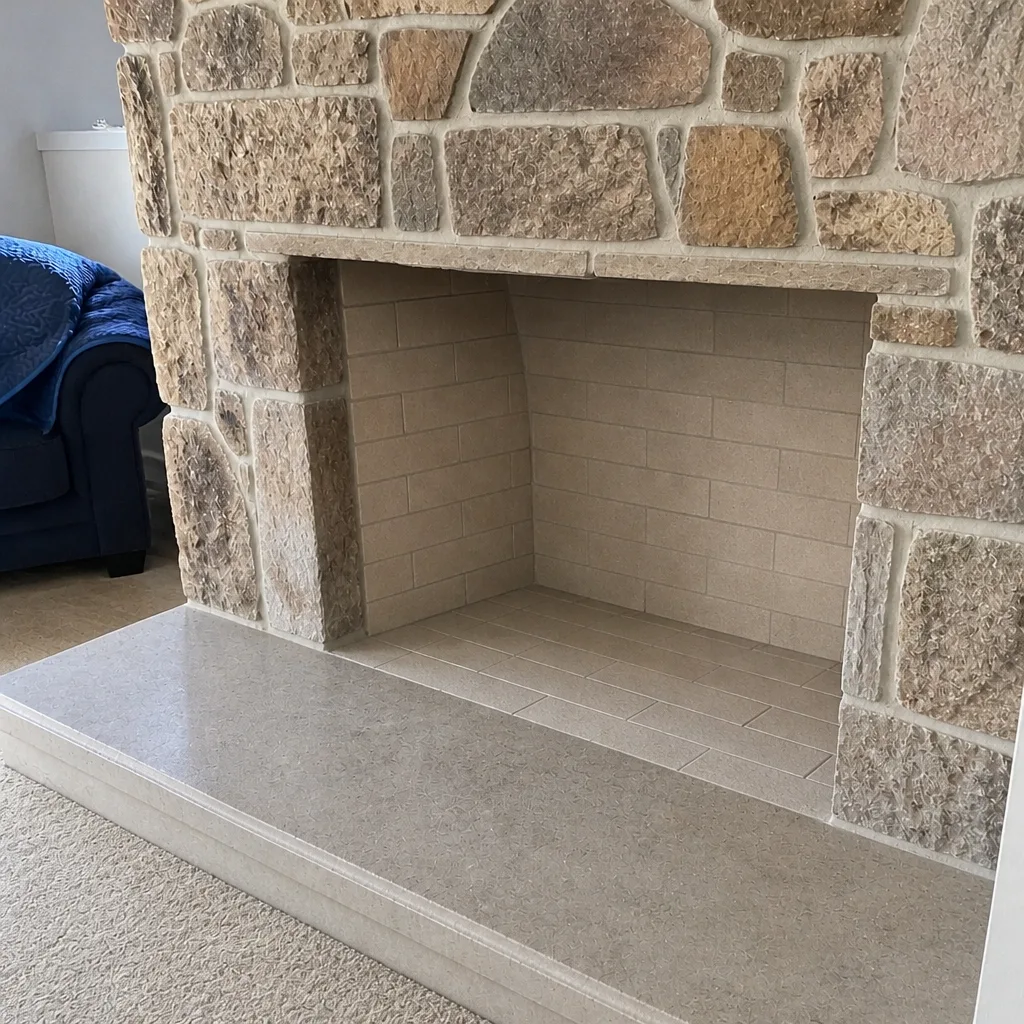
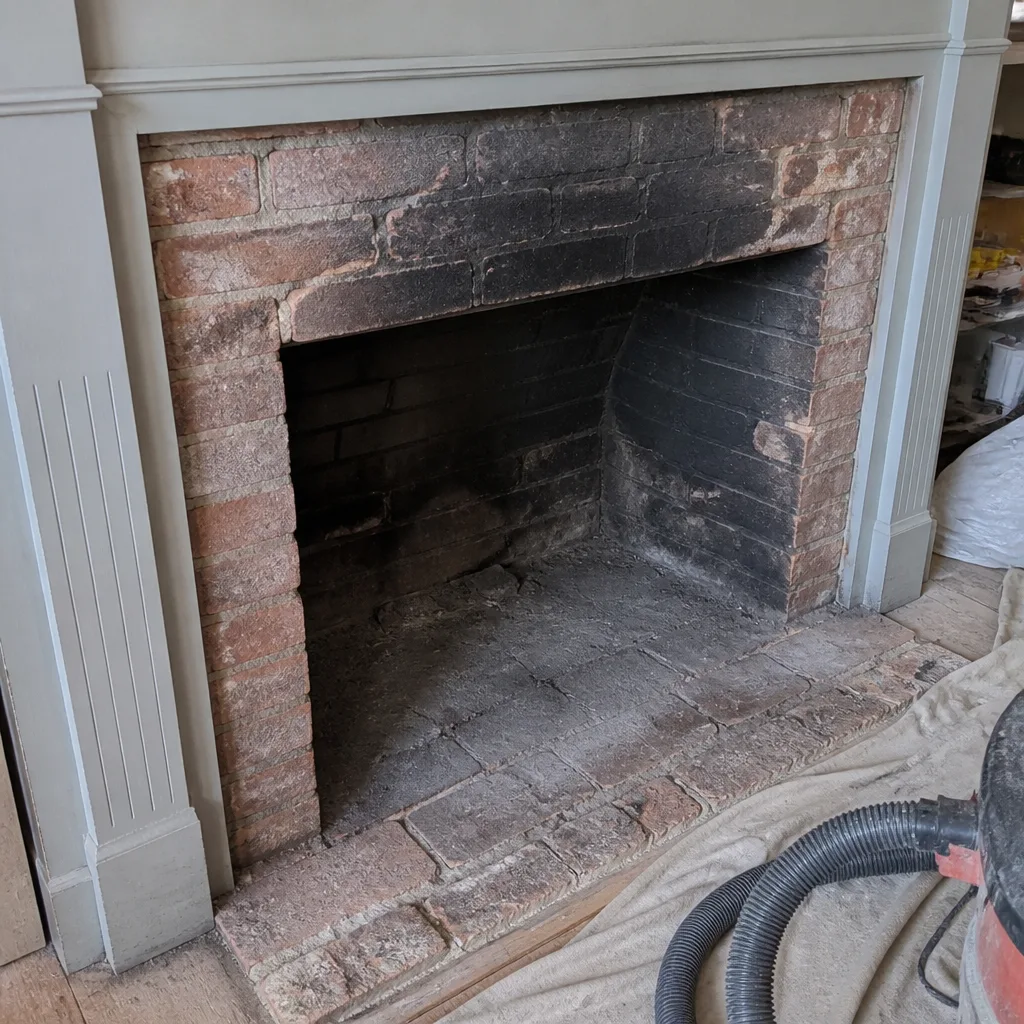
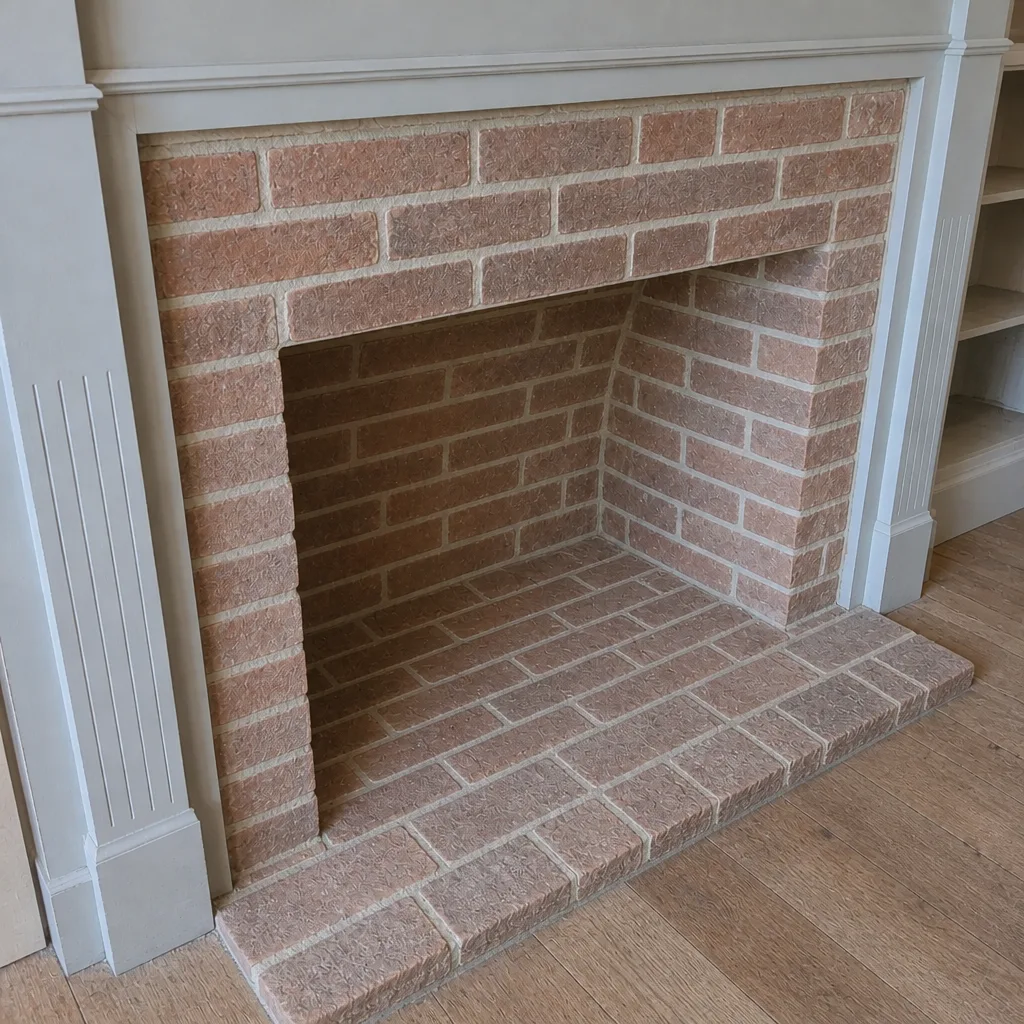
See the difference
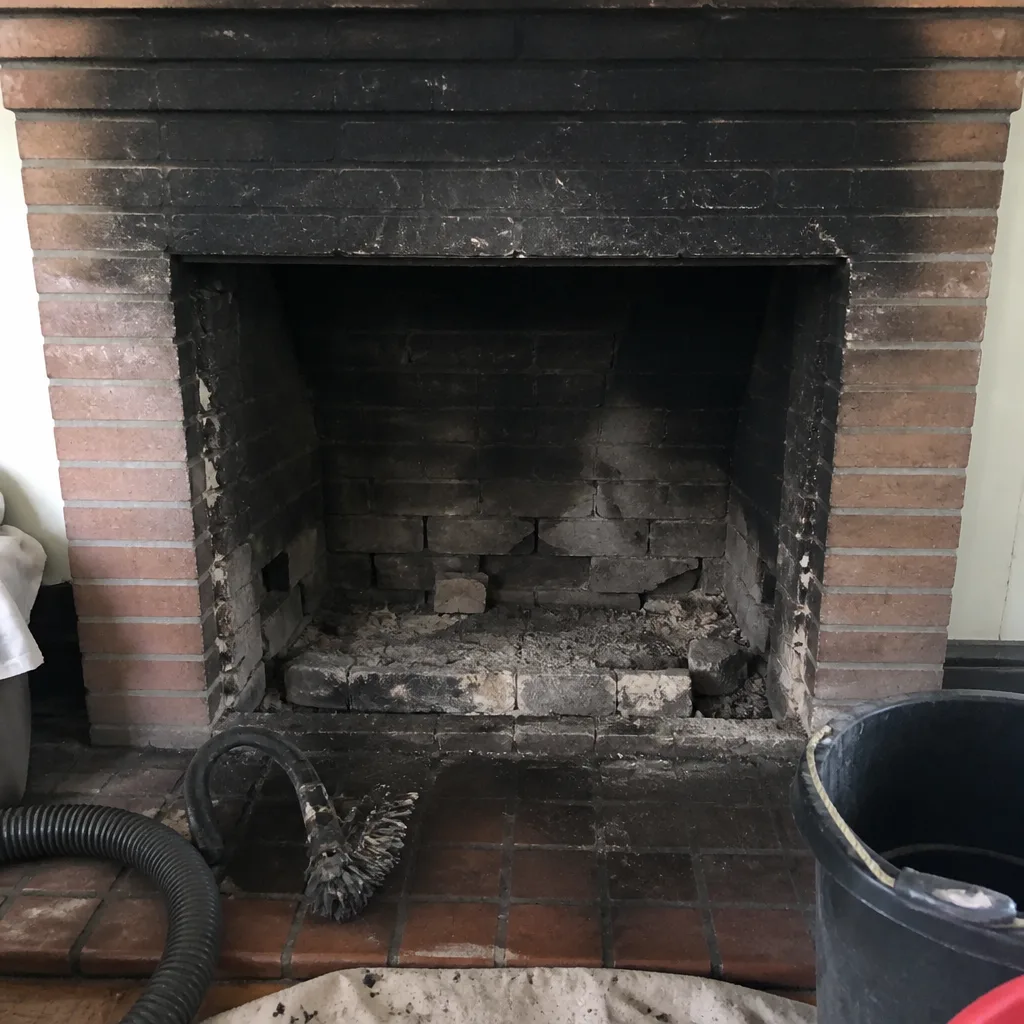 Before
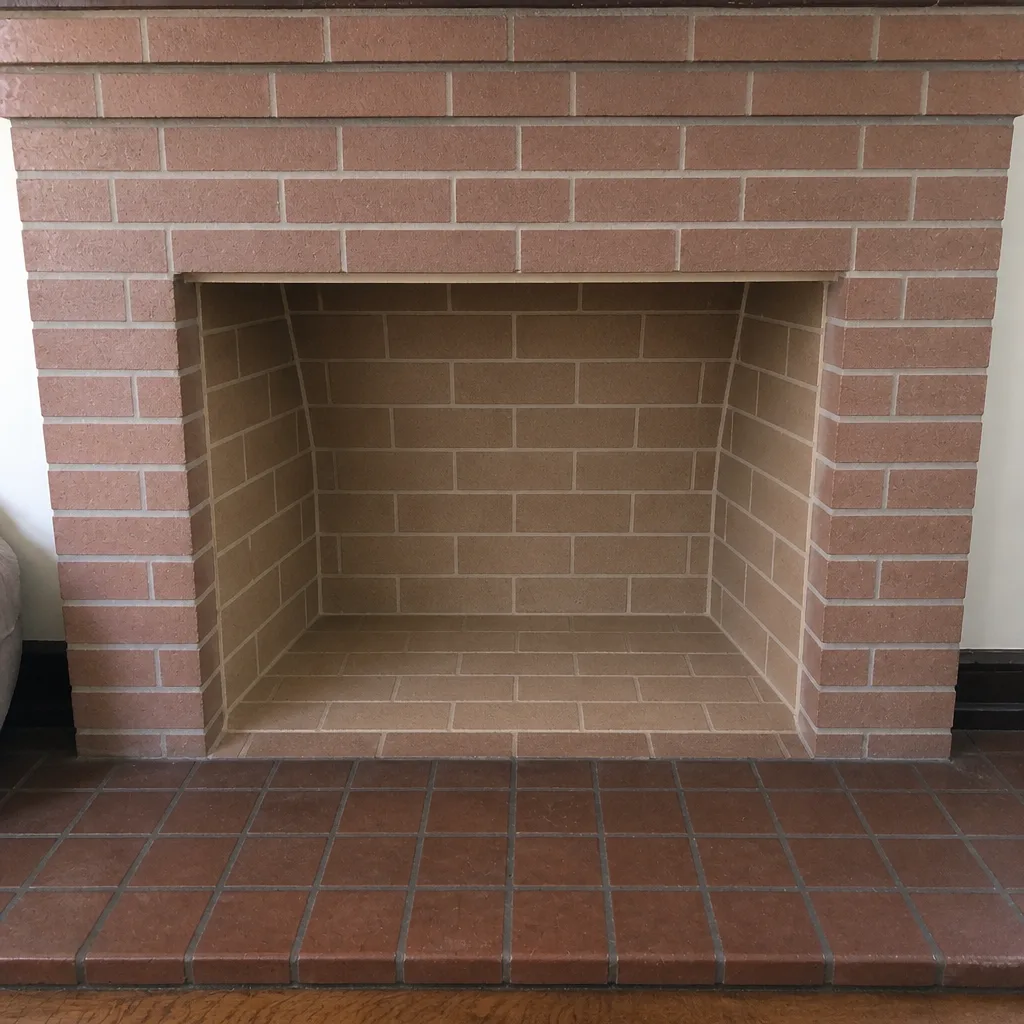 After
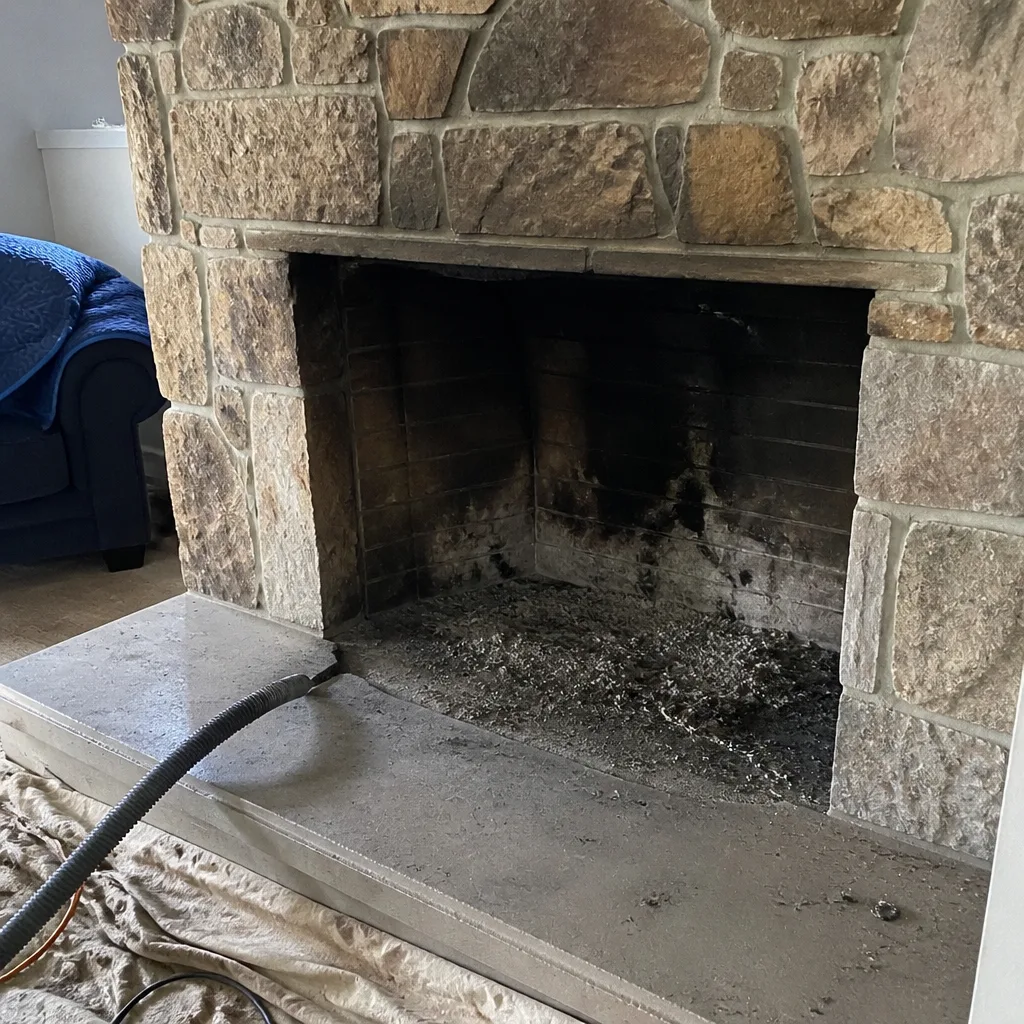 Before
 After
 Before
 After
Common Mistakes to Avoid
- Treating the chimney as a winter-only appliance. Tacoma’s moisture works year-round; ignoring the off-season is how crowns and mortar joints fail quietly. Give the system attention in spring and summer, not just fall.
- Cleaning but not inspecting. A sweep clears the flue; an inspection tells you whether the flue, liner, crown, and flashing are actually sound. Do both, and let the report guide the next step.
- Burning unseasoned wood to “get through” a cold snap. Wet wood produces more smoke and more creosote, and it cools the fire – a slow, cool burn is exactly what glazes a flue. Season your wood and keep the fire hot.
- Ignoring the cap because it “looks fine from the ground.” A missing or damaged cap is an open doorway for rain, nesting material, and debris. Look with binoculars and have it checked if there’s any doubt.
- Assuming a crack in the firebox or a water stain is cosmetic. Both are signs the system is letting in either combustion gases or water, and both get worse, never better, on their own. Flag them at inspection.
- Putting off the annual sweep because “we didn’t burn much.” Even light burning leaves creosote, and an unused flue collects debris and wildlife. A sweep in early fall is cheaper than a spring repair.
- Waiting until the first cold week to book. That’s when Tacoma’s chimney schedule is fullest. Book a late-summer or early-fall appointment instead of competing for one in November.
When to Call a Professional
Some things are safe to check from the floor: the cap from the ground, the damper’s movement, the look of the firebox, and how the fire behaves. Others aren’t – inspecting or cleaning the flue, diagnosing a bad draft, and evaluating the crown or flashing all belong to a trained technician, because a flue blockage, a carbon monoxide risk, or a failing crown isn’t something you can safely assess from below. Call us when you see smoke backing into the room, smell a persistent odor, notice water staining or spalling brick, see rust in the firebox, or simply can’t remember the last sweep. Tacoma Chimney Sweep Pros offers free estimates in Tacoma – call (844) 625-6797. We answer 24/7, with fast dispatch from 7am to 7pm, Sunday through Friday. We work with the materials the industry specifies, including DuraFlex, HeatShield, and Olympia Chimney, and we’ll tell you exactly what your flue needs – and what it doesn’t.
Frequently Asked Questions
Once a year is the working baseline for a home with an active fireplace, and more often if you burn frequently or notice draft problems. In Tacoma’s climate, the best time is late summer or early fall, before the burning season starts. If you burn daily through the winter, ask about a mid-season check. Call (844) 625-6797 to book a sweep and get a clear report on the flue’s condition.
Creosote keeps building, and moisture keeps working on the masonry, crown, and flashing – the two problems compound rather than level off. A flue that would have cleaned and passed inspection can turn into a liner or masonry repair. It’s the cumulative effect that costs, not any single skipped season. Book an inspection now and get an honest read on where the system stands. Call (844) 625-6797.
Usually not serious, but it’s a signal – the sour or smoky smell in warm months is typically residual creosote reacting to humidity, sometimes with a bit of moisture. It usually means the flue wasn’t fully cleaned at the end of the season and could use a sweep. If the smell comes with water staining or a musty edge, get the liner checked as well. Call (844) 625-6797 for an assessment.
For a simple, straight flue you technically can, but it’s easy to miss the parts that matter – creosote glazing, a cracked liner, a failing crown – because you can’t see what a technician sees with a camera inspection and a trained eye. Given the carbon monoxide and fire risks, professional inspection is the safer call. We’ll give you a photo report and a plain answer on what the flue needs. Call (844) 625-6797.
Often it can be restored rather than replaced. If the flue’s structure is sound, HeatShield ceramic resurfacing rebuilds the interior and saves the cost of a full reline; when the layout is offset or older, a DuraFlex flexible liner may be the right fit. Either way, nothing gets recommended without evidence you can see. Call (844) 625-6797 for a free estimate.
Confirm the flue is clear, check the cap from the ground, test the damper, look at the firebox for cracks, and book a sweep if you haven’t had one. Then light a small test fire to confirm draft. If smoke rolls back or the fire won’t draw, don’t keep feeding it – get it inspected. Call (844) 625-6797 to schedule before the cold sets in.
The Bottom Line
Chimney care in Tacoma works best as a four-season rhythm instead of a single annual appointment. Fall is for confirming the flue is clear and the cap is intact before you light up. Winter is for managing draft and creosote with seasoned wood and hot fires. Spring is for inspecting what the wet season did to the crown, flashing, and liner, and for catching the flue smell before it turns into a repair. Summer is the quiet window when liner, crown, and firebox work gets done in dry weather and open schedules. Add a simple log of what you see and what your technician found, and every future visit starts from a real history instead of a guess. That’s how you keep small issues from showing up as November emergencies. Call (844) 625-6797 for a free estimate. We answer 24/7, with fast dispatch from 7am to 7pm, Sunday through Friday.
Written by the team at Tacoma Chimney Sweep Pros.