
Last updated November 25, 2026
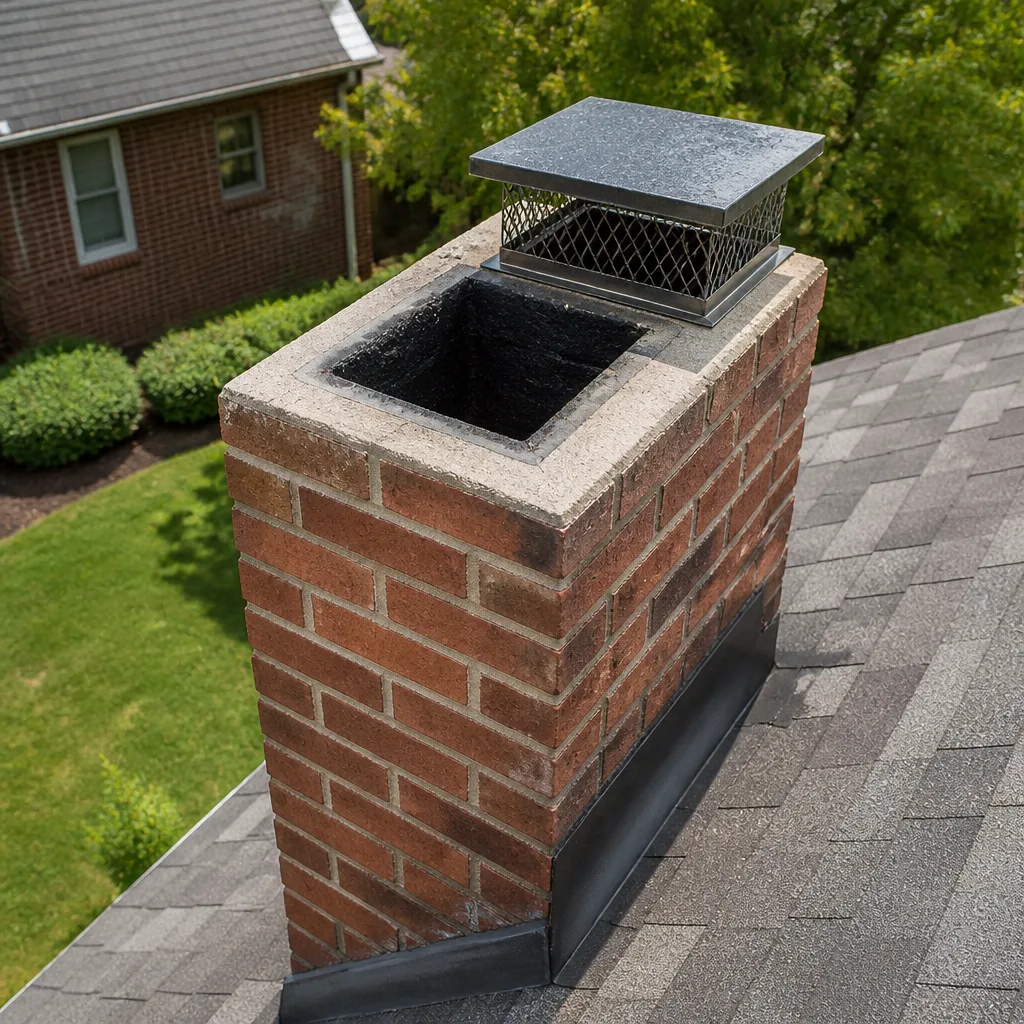 Sweep & inspection
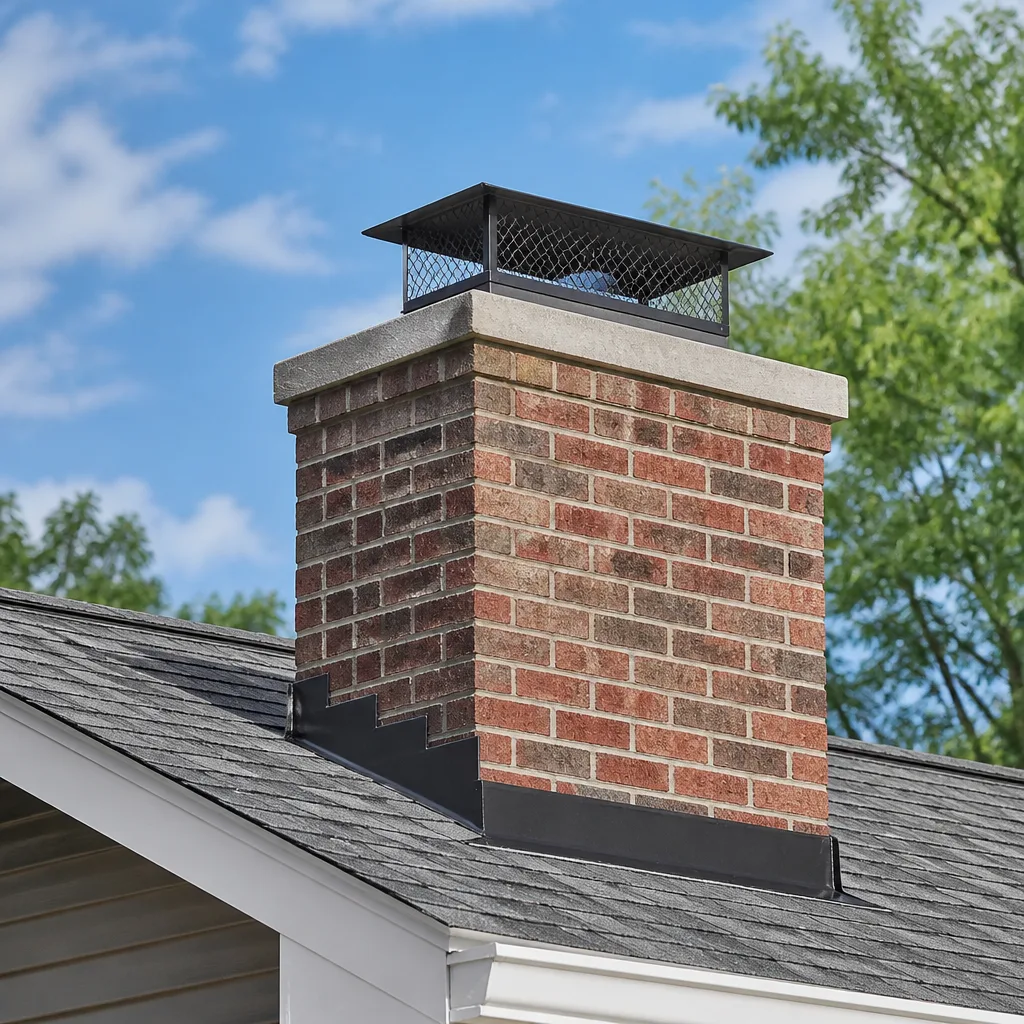 Caps & crowns
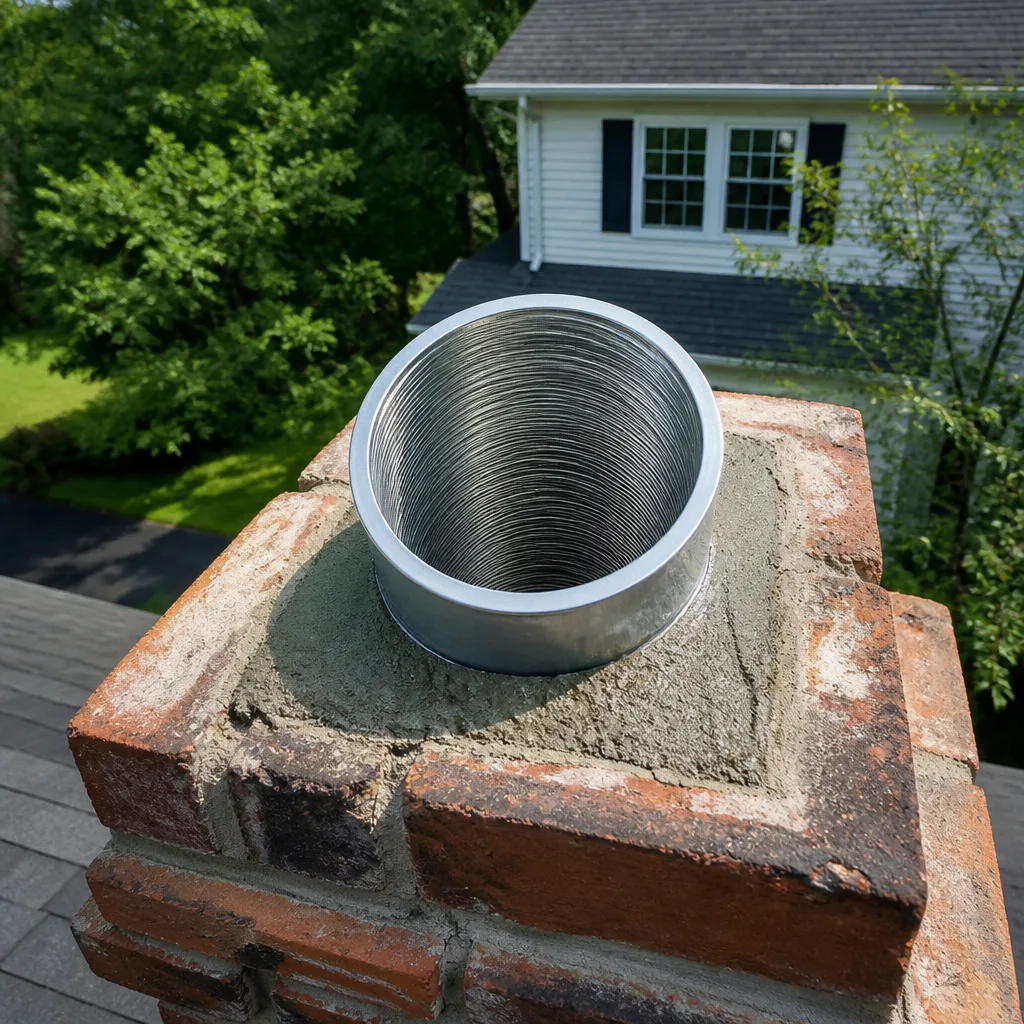 Flue relining
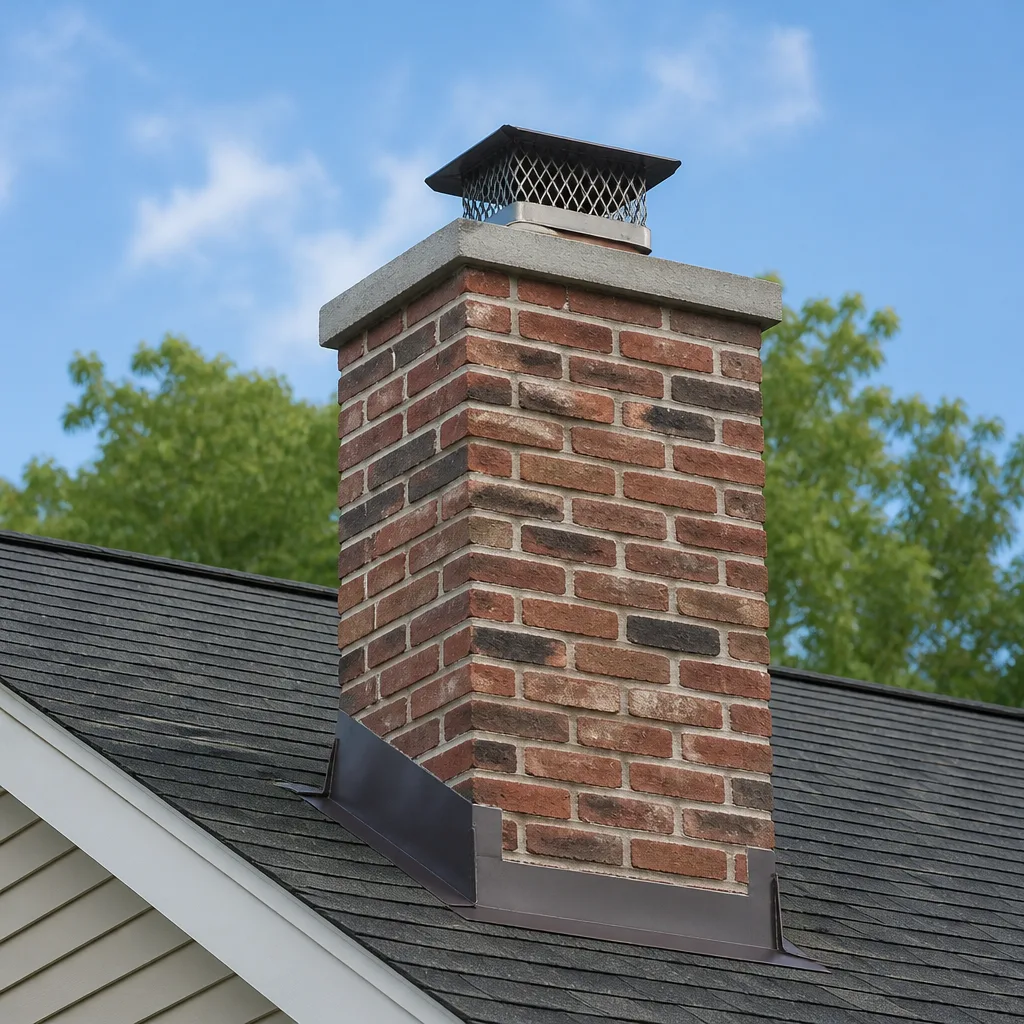 Masonry repair
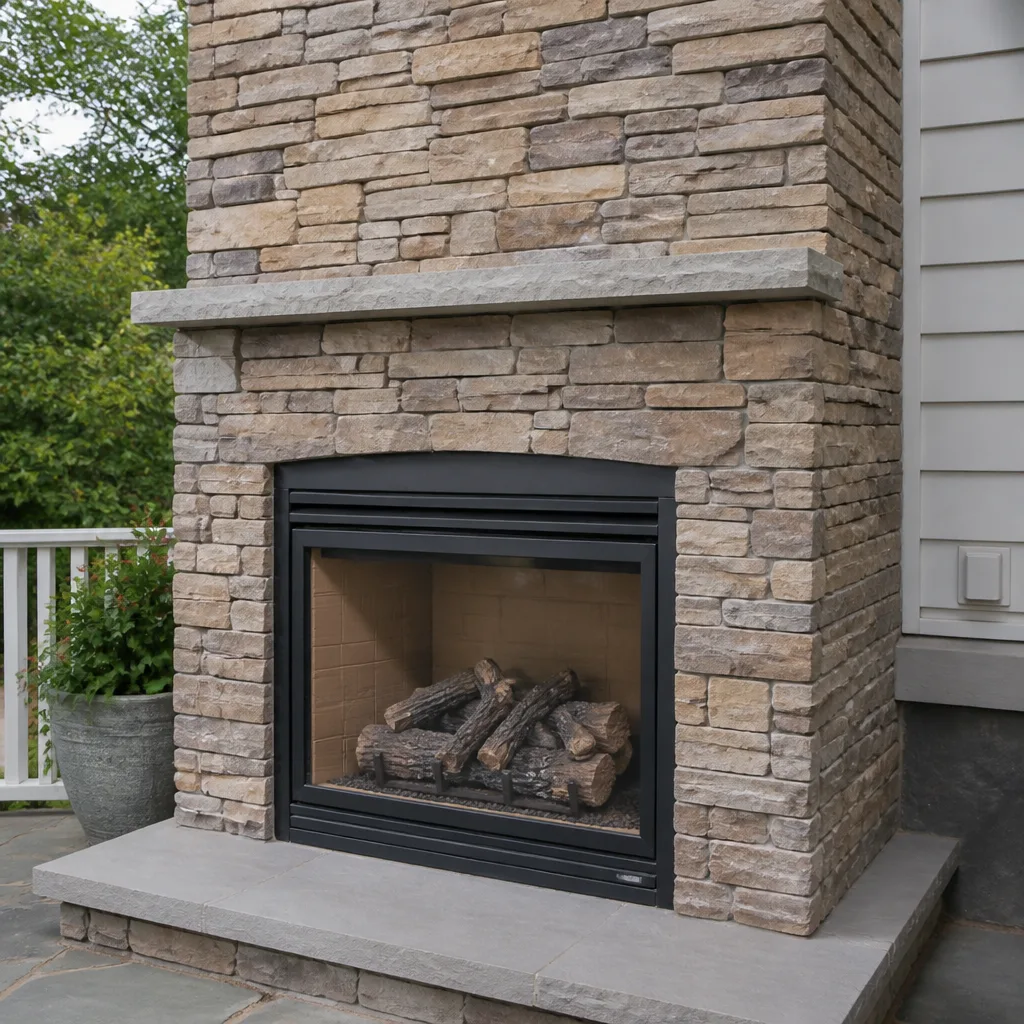 Gas fireplace service
Level 1 sweep and inspection to the NFPA 211 annual standard - flue, crown, cap, and flashing checked and photographed
Chimney sweep logs do not sweep chimneys. They loosen some creosote - which then falls where a brush and vacuum still have to collect it.
The Complete Guide to Chimney Cleaning in Tacoma
Most chimney fires in the Pacific Northwest aren’t caused by burning too much wood. They’re caused by burning wet wood too slowly. On a mild Tacoma afternoon in October or March, a small smoldering fire feels like enough to take the chill off, and that low, slow, cool burn is exactly what deposits thick, glazed creosote on the flue walls. The dangerous stuff doesn’t come from the roaring fire you’re careful with. It comes from the lazy one you’re not thinking about. This guide covers how Tacoma’s wet climate, its older housing stock, and its Douglas fir firewood habits change what a chimney clean actually needs to accomplish, and how to tell a real full-system cleaning from a quick brush-and-go.
Styles & brands we work with
- Sweep & inspection
- Caps & crowns
- Flue relining
- Masonry repair
- Gas fireplace service
Quick Answer
Chimney cleaning in Tacoma means removing creosote, soot, and any blockages from the flue, then checking the full system from firebox to crown so you know what condition it’s in. For most Tacoma homes, a proper chimney cleaning should be paired with a camera inspection, because the region’s mild, damp winters and Douglas fir firewood tend to build creosote faster than drier inland climates do. Cleaning alone doesn’t make a chimney safe; a full-system check is what tells you whether the flue is sound, the cap is intact, and the whole assembly is ready for the first fire of the season.
Table of Contents
- Why Chimney Cleaning in Tacoma Is Different
- The Three Stages of Creosote and What Tacoma Produces
- How Older Tacoma Housing Stock Changes the Job
- Douglas Fir Firewood and Cleaning Frequency
- Level 1, 2, and 3 Inspections Explained
- Full-System Cleaning vs. a Sweep-Only Visit
- Signs Your Tacoma Chimney Needs Attention
- What to Expect During a Professional Chimney Cleaning
- Common Mistakes to Avoid
- When to Call a Professional
- Frequently Asked Questions
- The Bottom Line
Why Chimney Cleaning in Tacoma Is Different
Tacoma sits in a marine climate where winters are mild and wet rather than cold and dry. That distinction matters more than most homeowners realize. A chimney’s draft depends on the temperature difference between the hot flue gases and the outside air. When the outside air is a damp 45 degrees instead of a dry 30, that temperature gap is smaller, the draft is weaker, and smoke lingers longer inside the flue. Long-lingering smoke cools on the walls and forms creosote faster.
The wet winters add a second problem. Rain and damp air work on the exterior of the chimney as well as down through the flue. Masonry absorbs moisture, and repeated wet-and-dry cycles stress the crown and the mortar joints at the roofline. It’s common in Tacoma for the inside of a chimney to look fine while the crown at the top is cracked and letting water seep into the structure below.
Three local realities shape every chimney job in Tacoma:
- Weak shoulder-season draft. The mild days in October and March encourage low, cool burns that make the worst creosote.
- Wet firewood. Wood stored outside through a Tacoma winter can stay damp far longer than in drier parts of Washington.
- Older masonry housing. The city’s pre-1970s homes often have undersized flues and original crowns that need a careful eye, not a quick brush.
None of that is reason to panic. It is reason to treat chimney cleaning in Tacoma as a full-system check rather than a once-a-year chore. When you call Tacoma Chimney Sweep Pros, we come out looking at the whole assembly, not just the flue, because in this climate the flue is only one of the things that fails.
The Three Stages of Creosote and What Tacoma Produces
Creosote is the residue left behind when wood smoke cools on the flue walls. It comes in three stages, and each one demands a different approach. Knowing which stage you’re dealing with is the difference between a normal sweep and a repair job, and it’s why a proper inspection matters as much as the cleaning itself.
Stage 1 is soot and light flaky powder. It brushes off easily with standard sweep tools. The mild shoulder-season fires that are common in Tacoma tend to produce Stage 1 buildup slowly, because cool burns actually lay down creosote in a different pattern than hot ones.
Stage 2 is a harder, crusty, shiny deposit that clings to the flue walls. Brushing alone won’t take it off cleanly, and the tools have to be matched to the flue surface. This is the stage that the region’s damp, mild winters tend to favor, because the chimney never gets a long, deep, dry-burning season to burn Stage 1 buildup off.
Stage 3 is glazed, tar-like creosote, and it’s the most dangerous. It looks like hardened grease and it’s the fuel source for a chimney fire. Stage 3 usually calls for chemical treatment or mechanical rotary cleaning, and in some cases it means the flue has to be resurfaced or relined.
Which brings us to the regional point competitors miss: a Tacoma chimney rarely builds creosote at the same rate as a drier-climate chimney, but the type of creosote it lays down is often harder to remove. A weekly burn of dry wood in a hot fire in eastern Washington can stay at Stage 1 for a season. The same wood burned slowly through a Tacoma October can reach Stage 2 by January.
How Older Tacoma Housing Stock Changes the Job
Much of Tacoma’s housing was built before 1970, and that matters at the flue. In neighborhoods like Hilltop and the North End, plenty of homes have masonry chimneys that were sized for a specific appliance decades ago. When the appliance changed, the flue wasn’t always resized. A flue that’s too large for the fire burning in it cools the smoke too quickly, and cool smoke lays down creosote. A flue that’s too small for the fire drafts poorly and pushes smoke back into the room.
Older Tacoma homes also tend to have offset flues, meaning the flue takes an angled turn inside the chimney. Rigid liners can’t pass through those turns. Flexible liner systems can, and that’s why we install DuraFlex flexible liner systems when a flue needs relining in an older home. The material is the industry standard for exactly this situation: offset, angled, or irregular flues common in pre-1970s Tacoma housing.
What that means for a cleaning:
- Flue sizing has to be checked, not assumed. A camera inspection is the only way to see what the flue actually looks like inside.
- The crown and cap are part of the job. Older Tacoma crowns crack, and a cracked crown lets water into the masonry. We treat chimney cap & crown work as a core service because protecting the flue you just paid to clean is the whole point.
- Undersized flues need a different brush setup. A standard brush sized for a modern flue will miss buildup in an older one.
The takeaway for an older Tacoma home is simple. A sweep-only visit can miss the structural problems hiding behind a clean-looking flue, and the housing stock here makes that a real risk, not a scare tactic.
Douglas Fir Firewood and Cleaning Frequency
Douglas fir is the dominant firewood in Pierce County, and it burns differently from hardwoods. Fir dries reasonably well, splits cleanly, and lights easily, which is why it’s so common. But it also burns hot and fast, and when it’s not fully seasoned, the water content steams the fire cool and pushes creosote into the flue. The difference between properly seasoned fir and damp fir isn’t subtle on a chimney’s interior.
Seasoning is the single highest-leverage variable for Tacoma homeowners. Wood needs the right amount of time in the right conditions before it belongs in a firebox. Fir that’s been split and stacked in the open through a Tacoma summer and into fall usually seasons well. Fir that’s been split and tarped in a heap stays wet.
A practical Douglas fir routine for a Tacoma home:
- Split before you stack. Whole rounds season far slower than split wood.
- Stack single-row and off the ground. Air circulation is the whole game.
- Top-cover, don’t wrap. A roof over the stack keeps rain off while letting air move through.
- Give it a full season. Fir split in spring is usually ready for the next winter.
- Test the wood, don’t guess. Knock two splits together; a sharp crack is a good sign.
Even with good Douglas fir, we still recommend annual cleaning and inspection. The wet Tacoma shoulder seasons make it too easy for a warm-weather fire to lay down Stage 2 creosote without anyone noticing.
Level 1, 2, and 3 Inspections Explained
Chimney inspections come in three levels, and which one you need depends on what’s happened to the chimney since the last visit. Most Tacoma homes fall into Level 1 or Level 2, but it’s worth understanding all three so you know what you’re buying.
Level 1 is a visual inspection of the readily accessible parts of the chimney and firebox, without tools that disturb the structure. It’s what you get when you’ve been burning normally, nothing has changed, and there’s no known problem. A routine annual cleaning usually pairs with a Level 1 inspection.
Level 2 adds a camera inspection of the flue interior. It’s what you want when the chimney has had a change: you’ve just bought the house, you’ve had a chimney fire, you’ve switched appliances or fuel type, or you’re about to reline or repair. In our experience, most older Tacoma homes with combination gas and wood setups get a Level 2 on the first visit, because a camera is the only way to see what’s actually happening inside an offset flue.
Level 3 is diagnostic and may involve opening parts of the chimney structure. It comes up when a Level 2 finds something that requires eyes-on confirmation, like a hidden crack in the flue tile or an area of the masonry that needs a closer look.
Tacoma conditions that usually trigger each level:
- Level 1: a routine, no-change cleaning in a modern Tacoma home.
- Level 2: first visit after a home purchase, a chimney fire, an appliance swap, or a suspected drafting problem in an older Tacoma home.
- Level 3: only when a Level 2 reveals something that needs to be opened up and inspected directly.
You’ll know which level you need because we tell you up front, based on what’s actually happened to your chimney, not on what’s easiest to sell.
Full-System Cleaning vs. a Sweep-Only Visit
A sweep-only visit cleans the flue. A full-system cleaning cleans the flue and checks the rest of the chimney, which in Tacoma is where a lot of the important findings actually live. Here’s the distinction that matters.
A full-system clean covers:
- The firebox. Soot and ash are removed, and the firebox itself is checked for cracks in the brickwork or gaps in the mortar.
- The damper. Tested for smooth operation, since a stuck damper either lets heat up the chimney or keeps smoke in the room.
- The smoke chamber and shelf. This is the sloped transition between the firebox and the flue. It’s a classic creosote trap in a combination gas and wood system.
- The flue itself. Brushed with a brush matched to the flue size, then checked with a camera for cracks and buildup.
- The cap and crown. Checked for cracks, gaps, and animal nests. If the crown needs repair, that gets flagged before water gets into the masonry.
A sweep-only visit cleans the flue and skips the rest. On a modern home with a sound system, the gap between the two is small. On an older Tacoma home with a combination gas and wood setup, the gap can be the difference between catching a failing crown this season and discovering it after water damage has already started.
We also offer fireplace repair when the inspection turns up cracks, gaps, or a firebox that needs restoring, so the same company that cleans is the one that repairs. There’s no handoff, which matters because a chimney is one system and should be evaluated as one.
Signs Your Tacoma Chimney Needs Attention
Some signs are obvious. Others are subtle, and in a wet climate like Tacoma the subtle ones matter. Here’s what to watch for.
- Smoke rolling into the room on a mild day. Weak draft on a cool day is a classic Tacoma symptom, and it usually means the flue needs cleaning or the sizing needs checking.
- A strong, sharp, smoky smell even when the fireplace is cold. That’s usually creosote, and it’s stronger in damp air.
- Damper trouble. A damper that sticks open or closed is a signal to inspect.
- Water stains or efflorescence on the masonry. White crusting on the outside of the chimney often means moisture is getting in through the crown.
- Visible cracks in the firebox brickwork or the flue tile. These need a closer look before you burn again.
- Animal nests or a cap that’s come loose. Birds, squirrels, and raccoons all find their way into an open flue, and a Tacoma windstorm can peel a cap off.
If a chimney has had a fire that nobody saw, the signs can be quiet: hairline cracks in the flue tile, a warped damper, or creosote that’s gone glassy and puffed. A camera inspection catches those.
What to Expect During a Professional Chimney Cleaning
A proper chimney cleaning takes about an hour for a routine job in Tacoma and a bit longer if the chimney needs a camera inspection or the crown needs attention. Here’s the sequence a full-system visit follows.
- Exterior check. The crown, cap, and visible masonry get inspected from the roof before anything happens inside the house.
- Drop cloths and containment. The firebox is covered, and the work area is protected so soot stays in the chimney and out of the room.
- Moving parts checked. The damper is tested for operation, and the smoke shelf is checked for buildup.
- Brushing. The flue gets swept with a brush sized to the flue, matched to the buildup type (soot, Stage 2 crust, or glazed deposition).
- Camera inspection. A camera goes down the flue to check the condition of the tile and liner, and any findings get documented.
- Debris removal. Soot and creosote are vacuumed out of the firebox and smoke chamber.
- Report. You get a plain-language summary of what we found, what it means, and what if anything needs attention before the next fire.
One thing we will never do is tell you the flue needs relining without showing you the camera evidence first. If the flue is structurally sound but has surface wear, HeatShield ceramic resurfacing can restore the flue’s interior without the cost of a full reline. If the job does call for a new liner, DuraFlex is our go-to for the offset and older flues common in Tacoma homes. If the crown needs repair, we work with Famco materials to bring it back into shape.
Common Mistakes to Avoid
- Skipping the inspection because the sweep was quick. A clean flue isn’t a safe flue; it’s just a flue that looks clean. Pairing a sweep with a camera inspection is what catches the interior problems a Tacoma home is prone to.
- Burning unseasoned Douglas fir. Damp wood steams the fire cool, and cool fires are the ones that lay down Stage 2 creosote. Season the fir before it goes in the firebox.
- Assuming a sweep-only visit covered the crown. The crown at the roofline takes the most weather in this climate. If your cleaning didn’t include a look at it, it wasn’t a full check.
- Burning small “just enough to take the chill off” fires on mild Tacoma days. Those slow, cool shoulder-season fires are quiet creosote makers. Either build a hot fire with dry wood or skip it.
- Ignoring a faint smoke smell in a cold fireplace. A cold chimney shouldn’t smell smoky. If it does, the flue needs a look.
- Covering the chimney cap in winter to “keep water out.” That blocks draft and traps moisture inside the flue. A well-fitted cap does the job the right way.
- Skipping a Level 2 inspection on an older Tacoma home after recent purchase. A clean-looking flue in an older home can hide an offset liner gap or an undersized interior that a camera would catch.
When to Call a Professional
Call a professional chimney sweep in Tacoma when any of these are true:
- It’s been a year since the last cleaning or inspection, and the fireplace will be used this season.
- You’ve just purchased an older Tacoma home and haven’t yet had the chimney inspected professionally.
- You’ve had a recent chimney fire, or a chimney that ran hot and smoky for a stretch.
- You notice smoke rolling into the room on a mild day, or a strong smoky smell in a cold fireplace.
- The damper is stuck, the firebox has visible cracks, or the crown is cracked or missing mortar.
- You’ve switched fireplace appliances or are considering adding a wood insert to a gas setup.
Chimney cleaning and inspection are the kind of jobs where a visual inspection from the ground is not enough. The interior of the flue is where Stage 2 creosote and cracked tile actually live. Tacoma Chimney Sweep Pros offers free estimates in Tacoma. Call (844) 625-6797. We answer 24/7. Fast dispatch from 7am to 7pm, Sunday through Friday.
If you need a routine chimney sweep paired with a camera inspection, that’s the visit we book most often in Tacoma, and we’ll tell you exactly what your flue needs and what it doesn’t.
Frequently Asked Questions
Once a year is the standard, and in Tacoma that usually means scheduling before the first fire of the season. A home that burns Douglas fir regularly, or that uses the fireplace on mild shoulder-season days, may want a mid-season inspection as well. Call (844) 625-6797 for an exact cleaning schedule based on your chimney.
Because the climate is milder and wetter, and those conditions change how creosote forms. The wet Tacoma winters keep firewood damp, the mild shoulder-season days encourage cool, slow fires, and the older housing stock in neighborhoods like Hilltop and the North End often has undersized or offset flues. All of that means a Tacoma cleaning has to check the full system, not just brush the flue.
You generally can’t tell from the outside, and that’s the reason for a camera inspection. Stage 2 is crusty and slightly shiny; Stage 3 is glazed and tar-like. A camera can see both, and the sweep can then choose the right tools to remove them. Call (844) 625-6797 to book an inspection.
A Level 1 is a visual inspection of the readily accessible parts, a Level 2 adds a camera inspection of the flue, and a Level 3 opens up part of the chimney when a Level 2 has found something that needs closer confirmation. Older Tacoma homes usually warrant a Level 2 on the first visit because the flue interior is where the hidden problems are.
If the flue is structurally sound, it can often be restored with HeatShield ceramic resurfacing instead of a full reline. If the flue is offset or the tile is failing, a DuraFlex flexible liner is usually the right answer. We always show you the camera evidence before recommending either, so you can see what we see.
Often, yes. A home inspector’s scope is usually the visible chimney, and a chimney sweep with a camera can look inside the flue. In older Tacoma homes, that’s where offset liner gaps, cracked tile, and undersized flues get found. Call (844) 625-6797 to book an inspection on a recently purchased older home.
The Bottom Line
Chimney cleaning in Tacoma isn’t a generic annual chore. The region’s marine climate, Douglas fir firewood, and older housing stock combine to produce creosote conditions and structural issues that a sweep-only visit won’t catch. Pair a yearly cleaning with a camera inspection, season your firewood properly, treat the crown and cap as part of the job, and know which inspection level your home actually needs. Tacoma Chimney Sweep Pros is a full-system chimney specialist covering sweep, inspection, fireplace repair, cap and crown, and liners, all with professional-grade materials like HeatShield, DuraFlex, Famco, and Olympia Chimney. If your chimney needs a real look before the next fire, call (844) 625-6797 for a free estimate. We answer 24/7. Fast dispatch from 7am to 7pm, Sunday through Friday.
Written by the team at Tacoma Chimney Sweep Pros.
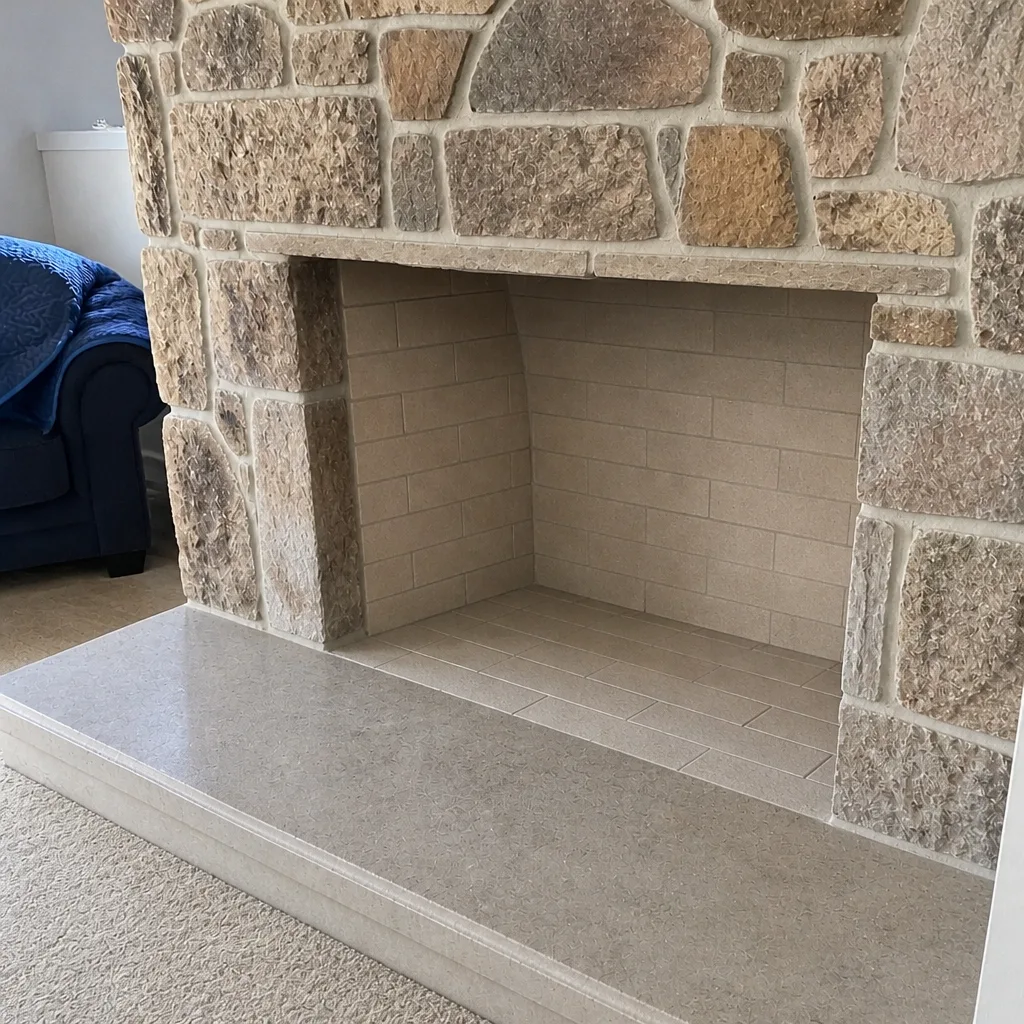
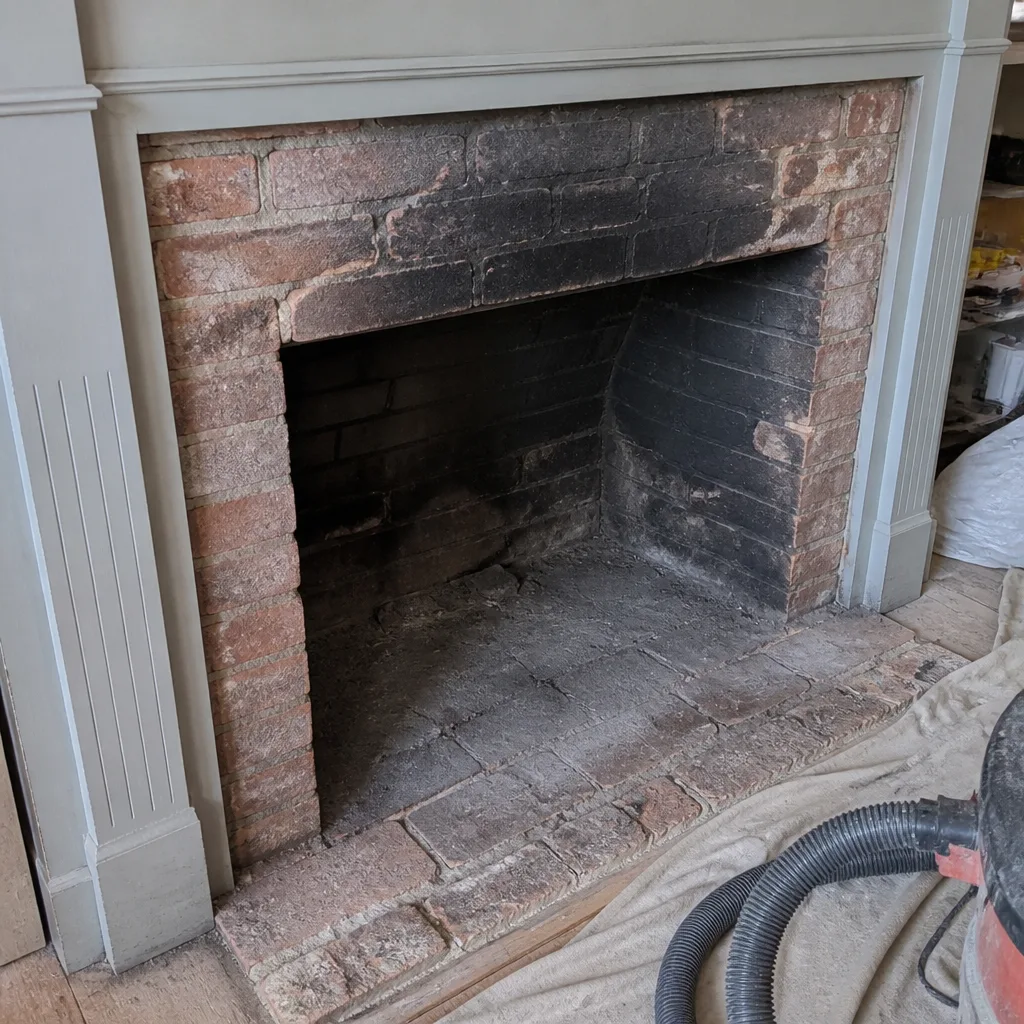
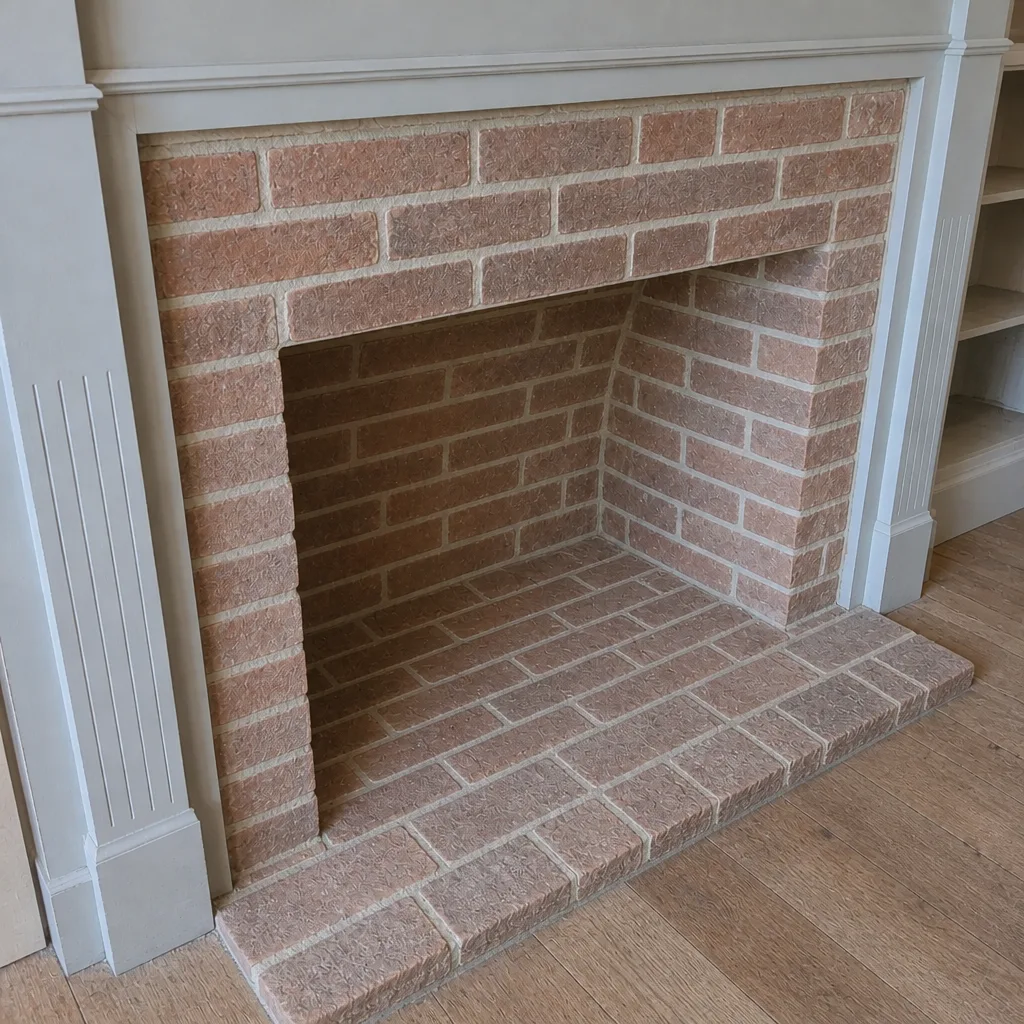
See the difference
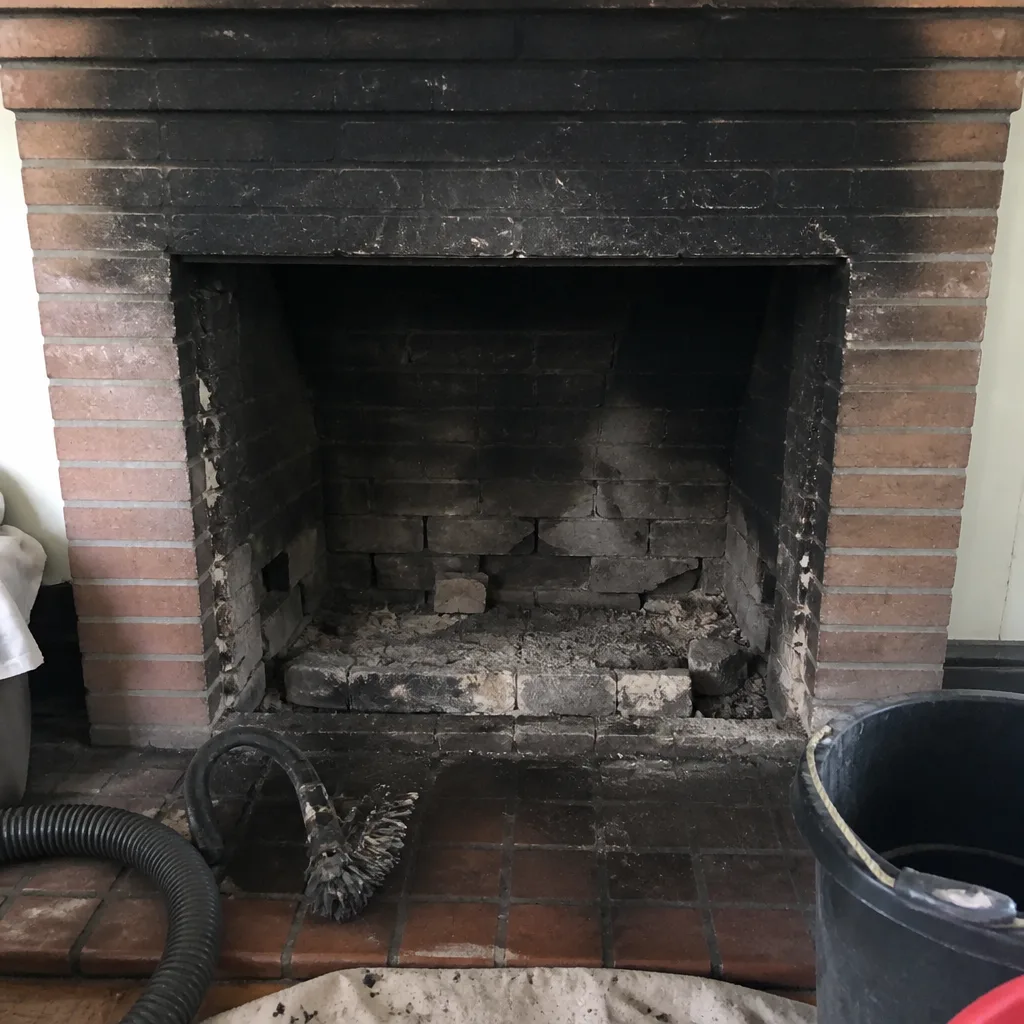 Before
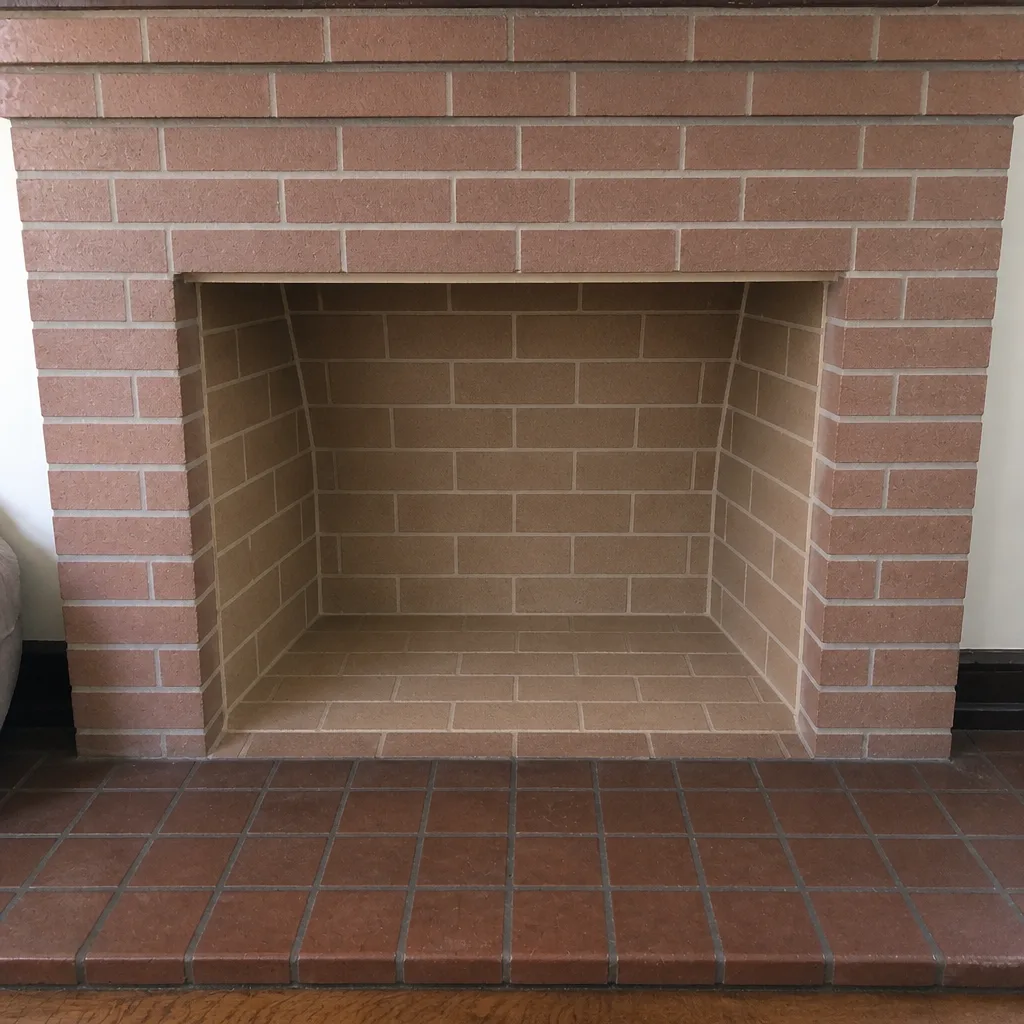 After
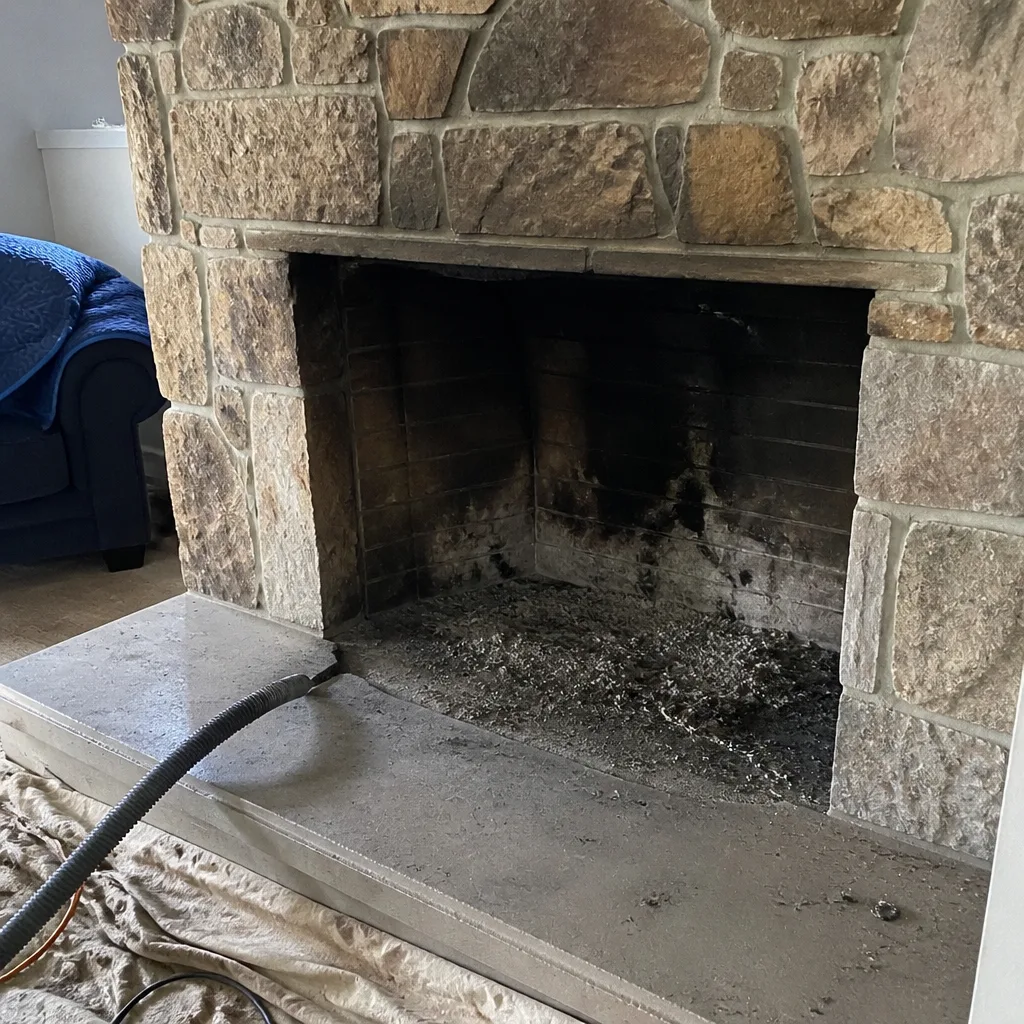 Before
 After
 Before
 After