
Last updated November 25, 2026
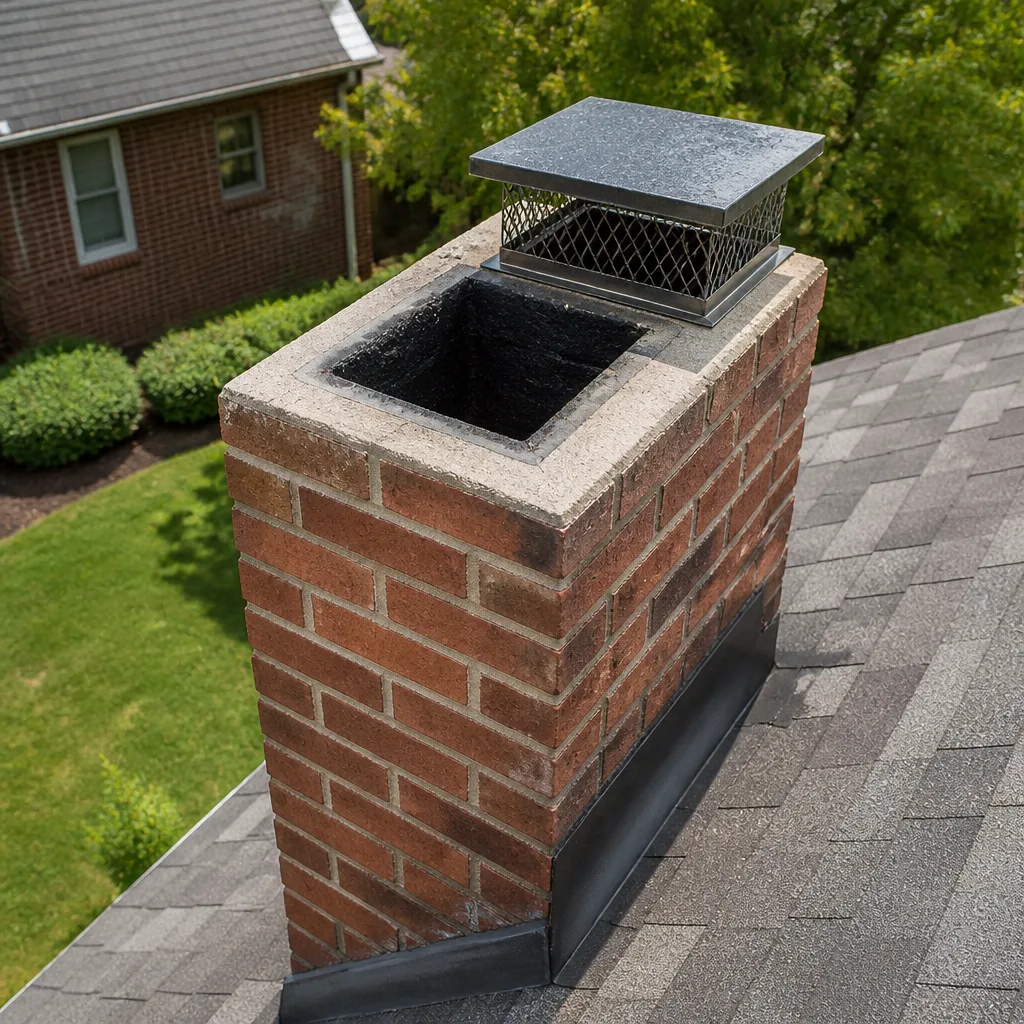 Sweep & inspection
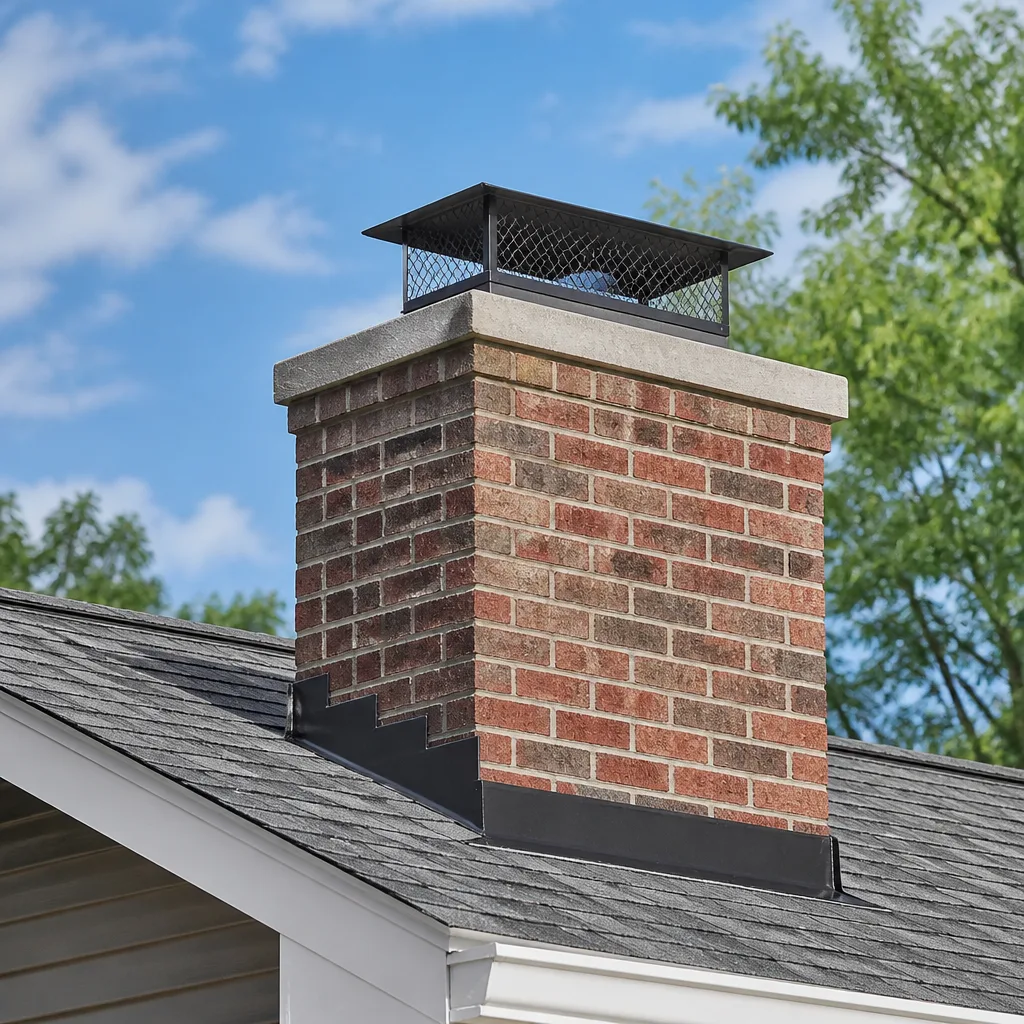 Caps & crowns
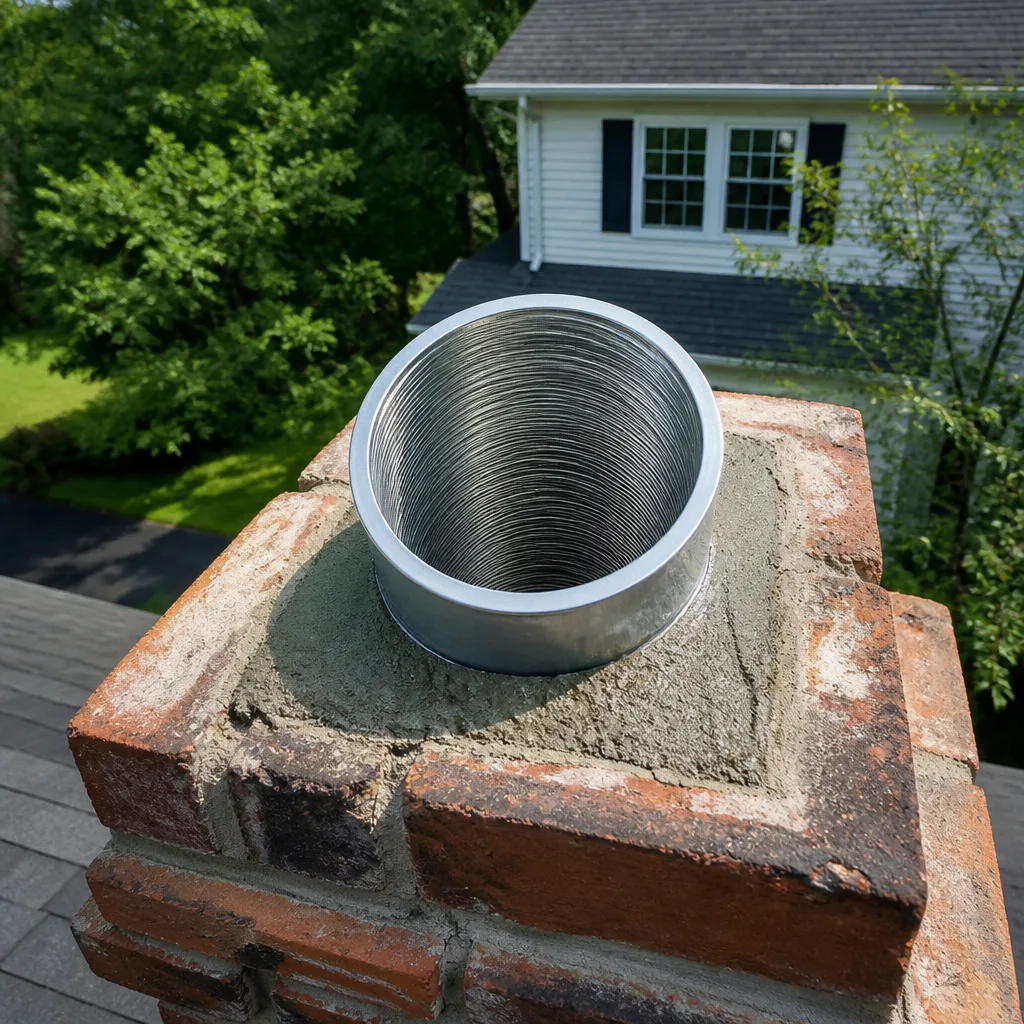 Flue relining
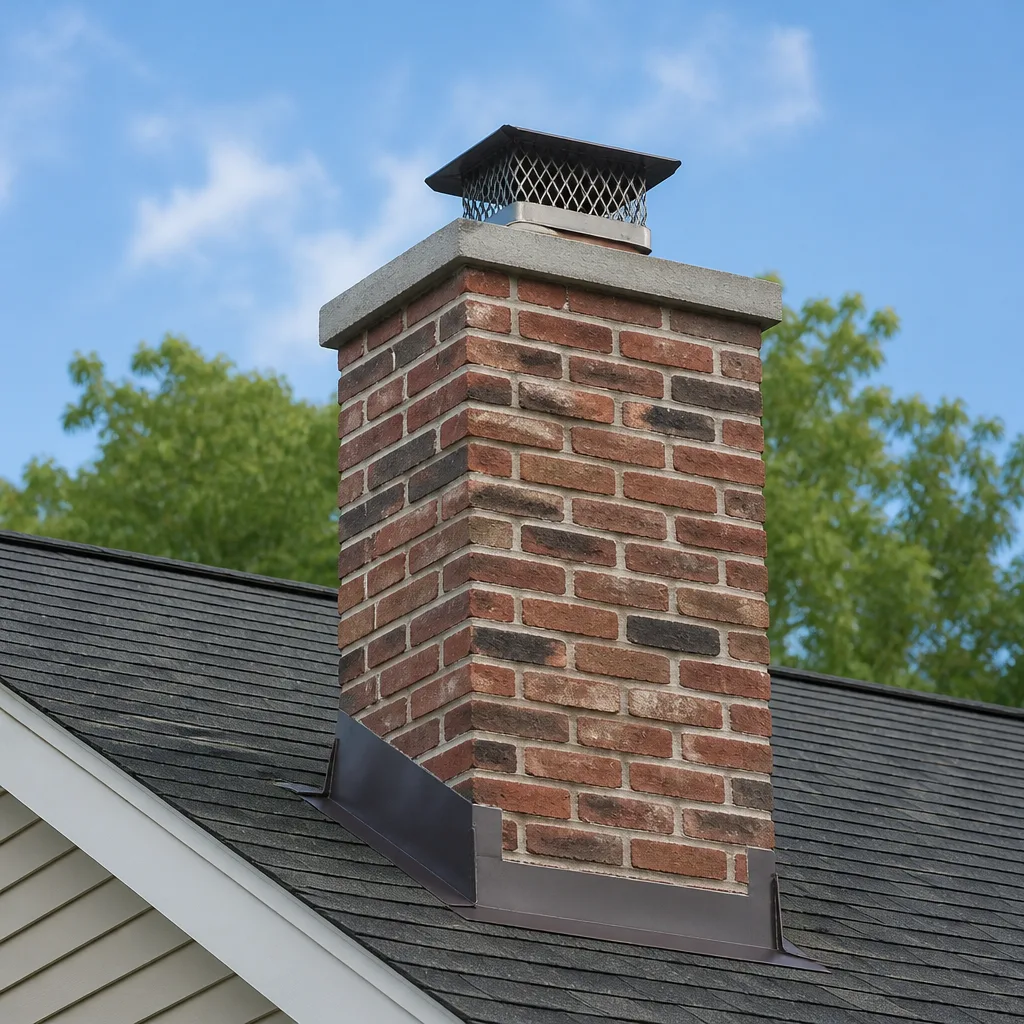 Masonry repair
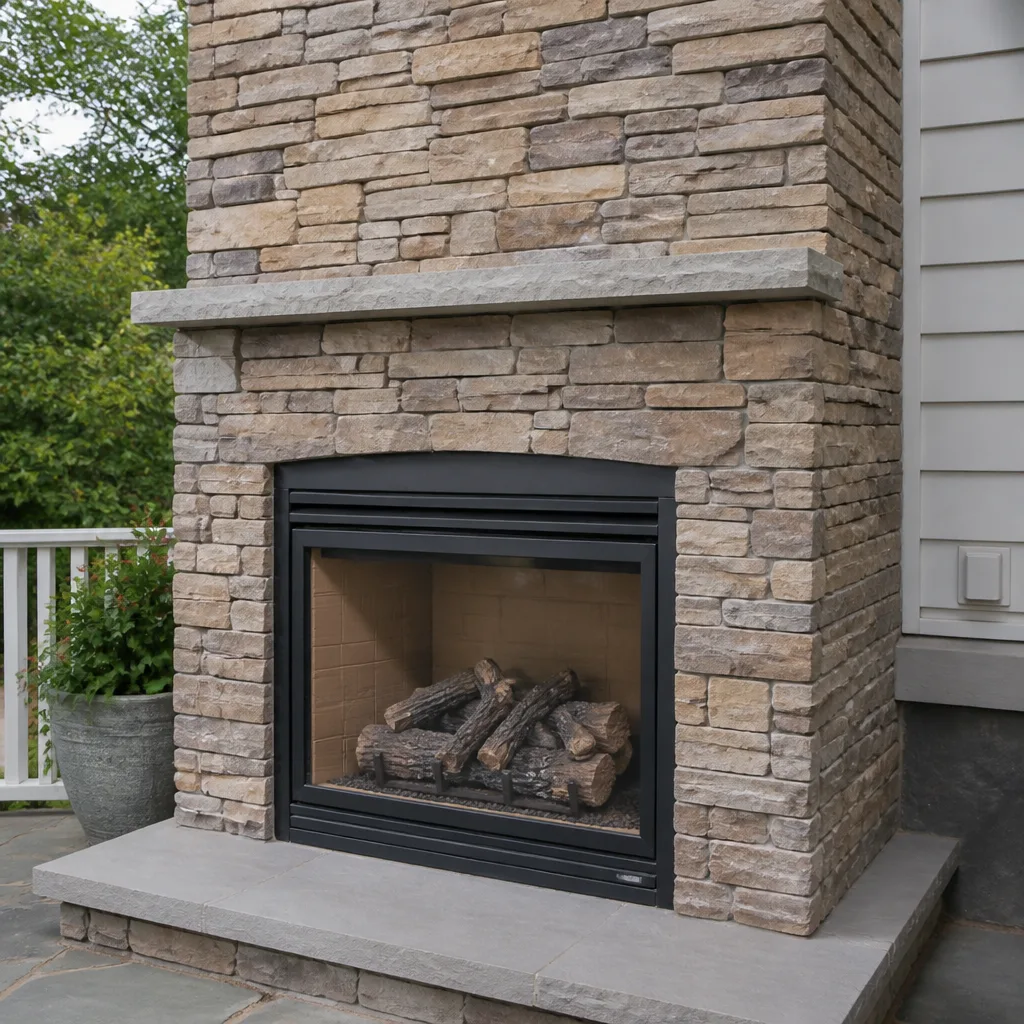 Gas fireplace service
Level 1 sweep and inspection to the NFPA 211 annual standard - flue, crown, cap, and flashing checked and photographed
Chimney sweep logs do not sweep chimneys. They loosen some creosote - which then falls where a brush and vacuum still have to collect it.
Chimney Sweep Maintenance Checklist for Tacoma Homeowners
The most commonly skipped item on any chimney checklist is the smoke chamber, and in a wet climate it’s also the one most likely to fail first. Mortar joints in that sloped, hidden space above the damper stay damp longest after rain works its way past a compromised crown, and nobody ever looks up there. Most homeowners clean the firebox, glance at the flue, and call it done. That order is backwards. This guide is a full-system checklist built around what actually degrades fastest in Tacoma: our moisture, our shoulder-season burn patterns, and the older housing stock that makes up so much of the city. You’ll learn which zones to check, what to watch for between professional visits, and how to document what you find so a technician can act on it.
Quick Answer
A chimney maintenance checklist for a Tacoma home should cover six zones in order: crown, flashing, flue liner, smoke chamber, damper, and firebox. Inspect visually from the ground and from the firebox between professional visits, and book a professional sweep and inspection before the first fire of the season or whenever you’ve burned more than a cord of wood. The components that fail first here are the ones that hold moisture longest, not the ones that look dirtiest.
Styles & brands we work with
- Sweep & inspection
- Caps & crowns
- Flue relining
- Masonry repair
- Gas fireplace service
Table of Contents
- Why Tacoma’s Climate Rewrites the Standard Checklist
- The Six-Zone Checklist: Crown to Firebox
- What You Can Safely Check Yourself Between Visits
- Moisture Signals Unique to Tacoma Homes
- How Often to Inspect: Match the Interval to Your Usage
- How to Document Findings So a Technician Can Prioritize
- The Seasonal Walk-Through, Step by Step
- What to Leave to a Professional
Why Tacoma’s Climate Rewrites the Standard Checklist
Most chimney maintenance checklists floating around the internet were written for a climate that dries out. Tacoma doesn’t reliably do that. We get long wet stretches from fall into spring, and masonry doesn’t fully dry between rain events. That changes which components fail first. A crown that cracks in a dry climate might sit cracked for years without consequence. In Tacoma, that same crack feeds water into the masonry above the smoke chamber all winter, and the freeze-thaw cycles we do get finish the job. The result is that Tacoma chimneys tend to fail from the top down and from the inside out, not from heavy use.
The other factor is the housing stock. A lot of Tacoma homes have chimneys that were built decades ago and have had generations of patchwork repairs. Some have clay tile liners that have spalled. Some have been converted from wood to gas and back. Some have crowns that were parged with mortar instead of rebuilt properly. A generic checklist won’t catch any of that because it assumes the chimney is in original, sound condition. Ours doesn’t.
So the checklist below is ordered by failure risk in Tacoma, not by what’s easiest to check. It starts at the roofline, where water enters, and works down to the firebox, where you’ll actually see the evidence.
The Six-Zone Checklist: Crown to Firebox
Work through these zones in order. Each one has a specific failure mode to look for and a reason it matters in Tacoma. If you find a problem in an upper zone, expect to find evidence of it in a lower zone, because water travels down.
1. Crown
The crown is the sloped concrete cap at the very top of the chimney. Its job is to shed water away from the masonry. In Tacoma, this is the highest-risk component on the entire chimney. Look for cracks wider than a hairline, chunks missing at the edges, or a crown that has pulled away from the flue tile. A crown that was patched with mortar instead of rebuilt with a proper mix will crack again quickly in our wet cycle. When we rebuild a crown, we use a mix that flexes slightly with temperature swings rather than a rigid mortar that cracks.
2. Flashing
Flashing is the metal where the chimney meets the roof. It’s the most common source of roof leaks near a chimney, and in Tacoma it’s also the hardest to see from the ground. Look for lifted metal, gaps at the roof-to-chimney seam, or rusted-through sections. If you have a skylight or a steep roof, don’t climb up. Note the location and let a technician check it.
3. Flue Liner
The liner carries combustion gases up and out. Clay tile liners crack and spall; older chimneys may have none. A damaged liner lets heat and gases contact the surrounding structure, which is a fire risk and a carbon monoxide risk. We can’t overstate this one: a liner problem is not a cosmetic issue. If you suspect a damaged liner, stop using the fireplace until a professional inspects it.
4. Smoke Chamber
This is the sloped space above the damper and below the flue. It’s the most-skipped zone on every checklist, and in Tacoma it’s the one that stays wet longest. Rough, corbelled masonry here collects creosote and holds moisture. Look for crumbling mortar visible from the firebox looking up, or a strong musty smell when the fireplace is cold. HeatShield ceramic resurfacing can restore a structurally sound smoke chamber without a full reline, which is often the right call for Tacoma homes with an intact flue.
5. Damper
The damper should open and close smoothly and seal reasonably well when closed. A damper that sticks, won’t close fully, or has visible rust is letting heated air out of your house all winter and letting moisture in when the fireplace is idle. Rust here is a moisture signal, so treat a stuck damper as a hint to check the crown and flashing above.
6. Firebox
The firebox is where you burn, and where you’ll see the downstream evidence of problems higher up. Look for cracked firebrick, crumbling mortar joints between bricks, or white staining on the brick face. Cracked firebrick lets heat reach the structure behind it. We repair fireboxes with refractory materials matched to the original, and we’ll tell you plainly when a firebox is safe to use as-is.
What You Can Safely Check Yourself Between Visits
You don’t need to climb a ladder to catch most problems early. The list below is limited to what you can see safely from the ground, from a window, or from inside the firebox with a flashlight. Skip anything that requires getting on the roof.
- Crown from the ground. Use binoculars from the yard. Look for cracks wider than a hairline or missing chunks at the top edge.
- Flashing from a window. If you can see the chimney-roof seam from a second-floor window, check for lifted metal or gaps.
- Exterior brick from the ground. Look for white powder, flaking faces, or bricks that have shifted out of line.
- Firebox interior with a flashlight. Look at the firebrick and the mortar joints. Note any cracks, missing chunks, or white staining.
- Smoke chamber from below. Shine a light up past the damper and look for crumbled mortar or a rough, dark surface.
- Damper operation. Open and close it with the fireplace cold. It should move smoothly and seat fully.
- Interior wall and ceiling near the chimney. Look for staining or discoloration, which can indicate a leak traveling down the structure.
If you find anything on this list, photograph it (more on that below) and book a professional inspection. Don’t attempt roof-level work yourself. Falls from roofs are the leading cause of serious injury on chimney jobs, and the tools for crown and flashing repair aren’t standard homeowner equipment.
Moisture Signals Unique to Tacoma Homes
Water damage on a chimney doesn’t announce itself. It shows up in patterns on the brick and on your interior walls, and those patterns have a timeline in Tacoma that’s different from drier parts of the country.
Efflorescence
Efflorescence is the white, powdery deposit that appears on brick faces when water moves through the masonry and evaporates at the surface, leaving salts behind. In Tacoma, efflorescence that appears fresh after a rain and then fades is usually a surface issue. Efflorescence that stays put, or that grows back thicker each season, means water is moving through the masonry continuously. That’s a system problem, not a cosmetic one.
Spalling brick
Spalling is when the face of a brick flakes off or pops away. It follows efflorescence on a predictable timeline. Once water is cycling through the brick and freezing in the pores, the surface eventually fails. In Tacoma, spalling that appears in the fall often traces back to a crown or flashing leak that started the previous winter. The brick face is the last thing to go, not the first, so spalling means you’ve had a moisture problem for a while.
Interior wall and ceiling staining
Staining on interior walls or ceilings near the chimney is the clearest sign that water is getting into the structure. In Tacoma, this is often the first indicator a homeowner notices, because the interior is where they spend their time. Staining that appears after a heavy rain, or that grows over a winter, points to a flashing or crown problem. Don’t paint over it. Find the source.
How Often to Inspect: Match the Interval to Your Usage
The blanket “once a year” recommendation is a starting point, not a rule. The right interval depends on what you burn and how often. Here’s how we think about it for Tacoma homes.
- Daily wood-burning (primary heat or near-daily fires in winter): Inspect and sweep before the first fire of the season, and again at mid-season if you’re burning several cords. Creosote builds faster than most people expect, and a mid-season sweep catches glaze before it hardens.
- Occasional wood-burning (weekend fires, a few cords per year): Once a year before burning season is enough for most homes. If you skip a year, don’t skip two.
- Gas insert or gas log set: Once a year, mainly to check the venting, the firebox, and the liner. Gas doesn’t produce creosote the way wood does, but it does produce moisture, and in Tacoma that moisture has nowhere to go. Have the venting checked annually.
- Unused chimney (no fires at all): Still inspect every couple of years. An unused chimney can still let water in, and the crown, flashing, and cap are still subject to weathering. Birds and squirrels nest in open flues.
- New-to-you older home: Inspect before the first fire. No exceptions. You don’t know the chimney’s history, and a converted or patched chimney can have problems that don’t show until you burn.
Beyond usage, any of these should trigger an inspection regardless of schedule: a chimney fire (even a small one you think you put out), a strong odor when the fireplace is cold, visible staining on interior walls, or a crown or flashing problem you’ve already spotted.
How to Document Findings So a Technician Can Prioritize
A photo and a short note go a long way. A technician who sees what you’ve seen can prioritize the visit, bring the right materials, and tell you over the phone whether a problem can wait. Here’s how to document what you find.
- Photograph from the same spot each time. Use a fixed position in the yard, or a fixed window, so photos are comparable season to season. Include something for scale, like a yardstick against the chimney, if you can.
- Photograph the firebox straight on and at an angle. Flash photography helps. Get the damper and the smoke chamber in at least one shot by pointing the camera up from the firebox.
- Note the location and orientation. “North face of chimney, near the crown” is more useful than “top of chimney.” Note whether the problem is on the weather side of the house.
- Note the timing. “Appeared after heavy rain in November, grew through winter” tells a technician more than “there’s a crack.”
- Note whether the fireplace is in use. If you’ve stopped using it because of what you found, say so. That changes the priority.
- Keep a simple log. A note on your phone with dates and photos is enough. When you call for service, you can describe what’s changed since the last visit.
We use camera inspection on every sweep, and we send a photo report with the findings. If you’ve done your own documentation, bring it up when you book. It helps us come prepared, and it helps you see exactly what we see.
The Seasonal Walk-Through, Step by Step
Run this walk-through once in the fall before burning season, and once in the spring after your last fire. It takes about twenty minutes from the ground.
- Start at the ground on the weather side of the chimney. Look at the brick for efflorescence, spalling, or shifted courses. Photograph anything new.
- Look up at the crown with binoculars. Check for cracks, missing chunks, and separation from the flue tile.
- Check the cap if you have one. It should be intact, seated, and clear of debris. A missing or damaged cap lets water and animals in.
- Check the flashing from a window or the ground. Look for lifted metal or gaps at the roof seam.
- Go inside and open the damper. It should move smoothly and seat fully when closed.
- Shine a flashlight up past the damper. Look at the smoke chamber for crumbled mortar and at the flue for visible damage.
- Inspect the firebox. Look at the firebrick and mortar joints for cracks and white staining.
- Check the interior walls and ceiling near the chimney. Look for staining or discoloration.
- Log what you found. Note the date, the location, and whether anything has changed since the last walk-through.
If everything checks out, you’re ready to book your professional sweep before the first fire. If anything looks off, book the sweep and flag the issue when you call.
What to Leave to a Professional
Some items on any chimney checklist belong to a trained technician, and it’s worth being clear about which ones. High-tension springs and cables aren’t part of a chimney, but the equivalent on a chimney is the top-of-structure work: crowns, flashing, caps, and liner installation. Those involve roof access, masonry skills, and materials matched to the system. A crown rebuilt with the wrong mix cracks again in a season. A liner installed without the right dimensions and clearances can be worse than the old one. The professional-grade materials matter, which is why we work with DuraFlex for flexible liner systems in older or offset flues, HeatShield for ceramic resurfacing when the flue is structurally sound, and Olympia Chimney and Gelco for caps and accessories. We use what the industry specifies because it holds up in our climate.
The one thing we’d add: don’t treat “it looks fine” as a clean bill of health. A chimney can look fine from the firebox and have a cracked crown and a damaged liner. A professional inspection and sweep catches what a visual check misses, and a camera inspection shows you the inside of the flue so you’re not taking anyone’s word for it. If you want the full picture, our chimney sweep includes the camera inspection and a photo report. If you’ve already spotted damage on the firebox side, our fireplace repair covers the firebox, damper, and smoke chamber, and our chimney cap & crown work handles the top of the system so water stops getting in.
Common Mistakes to Avoid
- Skipping the smoke chamber. It’s the most-skipped zone on every checklist and the one that fails first in Tacoma. If your sweep doesn’t look up past the damper, ask why.
- Patching a crown with mortar instead of rebuilding it. Mortar patches crack again in one or two wet seasons. A proper crown is rebuilt with a mix that flexes with temperature swings.
- Treating efflorescence as cosmetic. White powder on the brick means water is moving through the masonry. Fading after rain is a surface issue; growing back each season is a system problem.
- Assuming a gas insert doesn’t need inspection. Gas produces moisture, and in Tacoma that moisture has nowhere to go. Venting and the firebox still need an annual check.
- Burning unseasoned wood to “save money.” Wet wood produces more creosote and more moisture in the flue, which is exactly the wrong combination in our climate. Season your wood before burning it.
- Ignoring a stuck damper. A damper that won’t close is letting heated air out and moisture in. It’s also a hint to check the crown and flashing.
- Skipping the inspection on a newly purchased older home. A converted or patched chimney can have problems that don’t show until you burn. Inspect before the first fire.
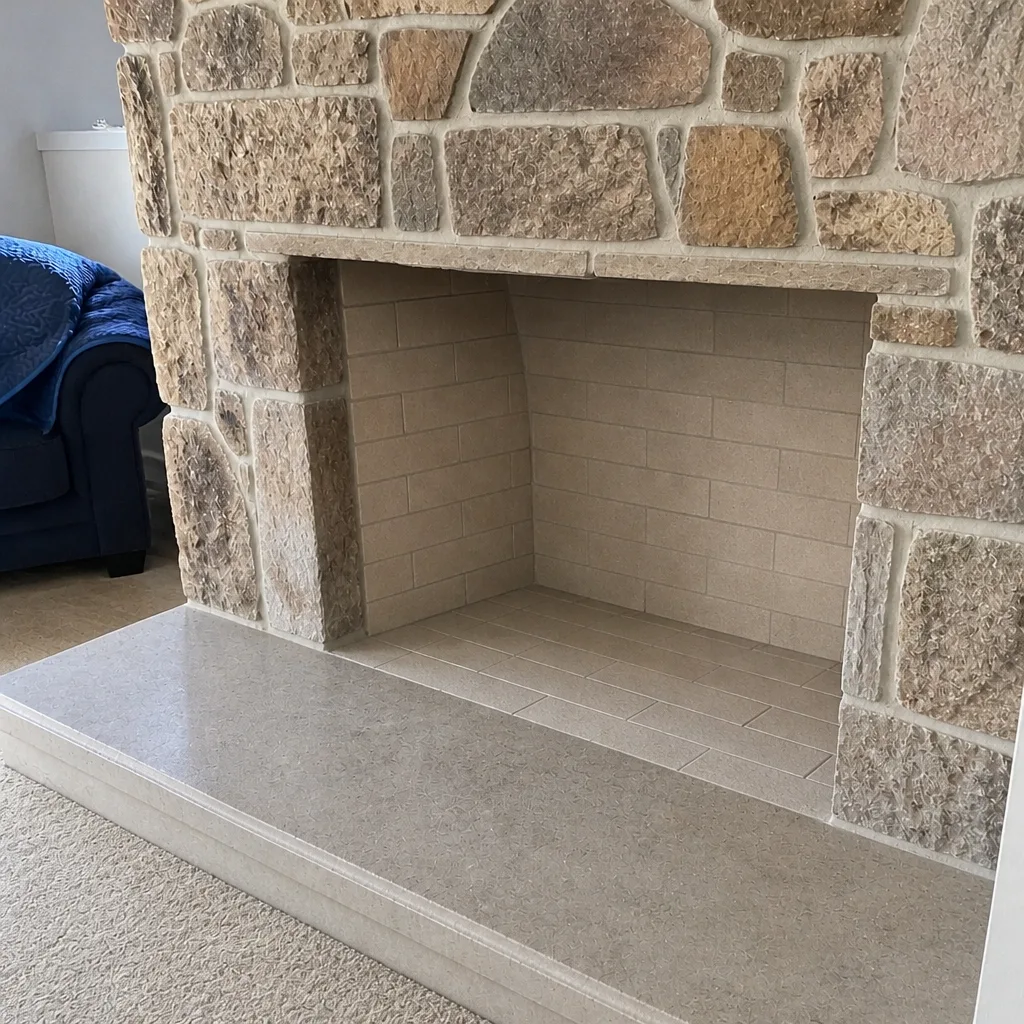
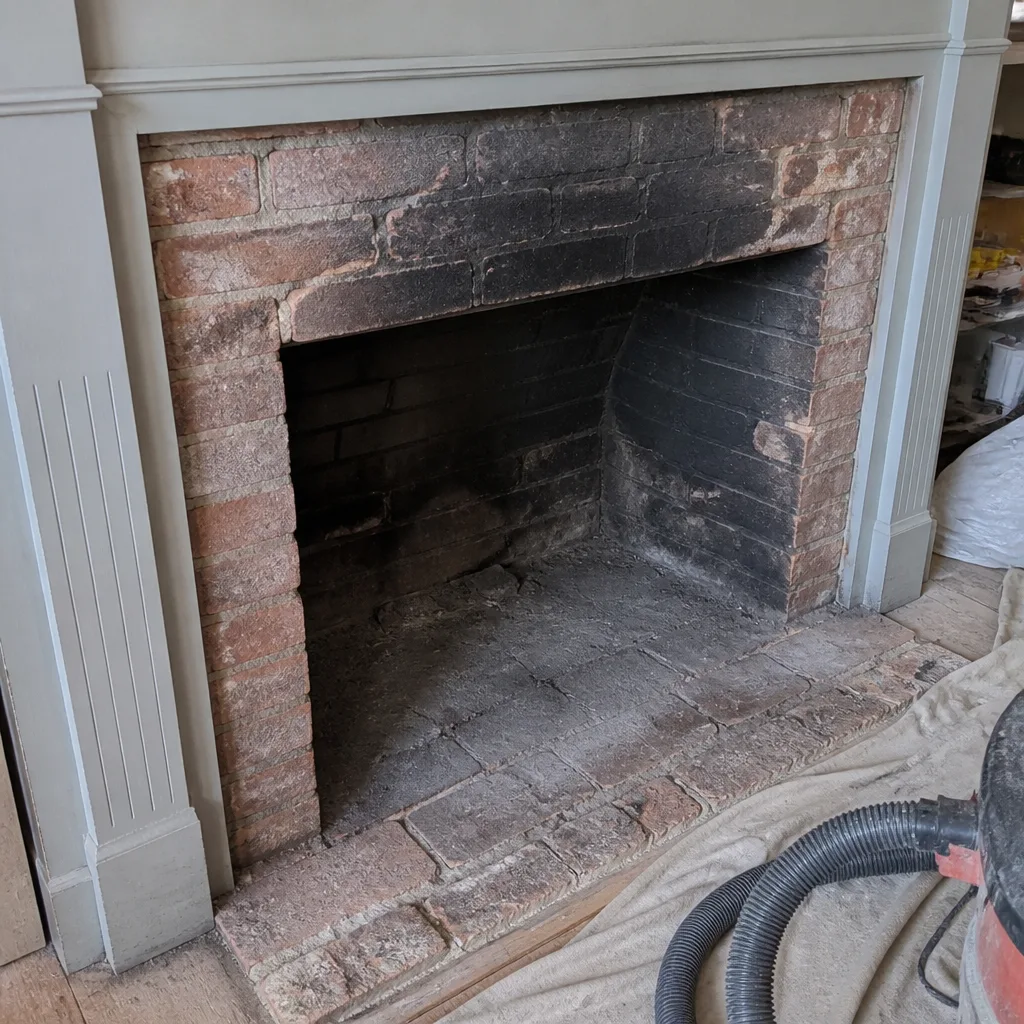
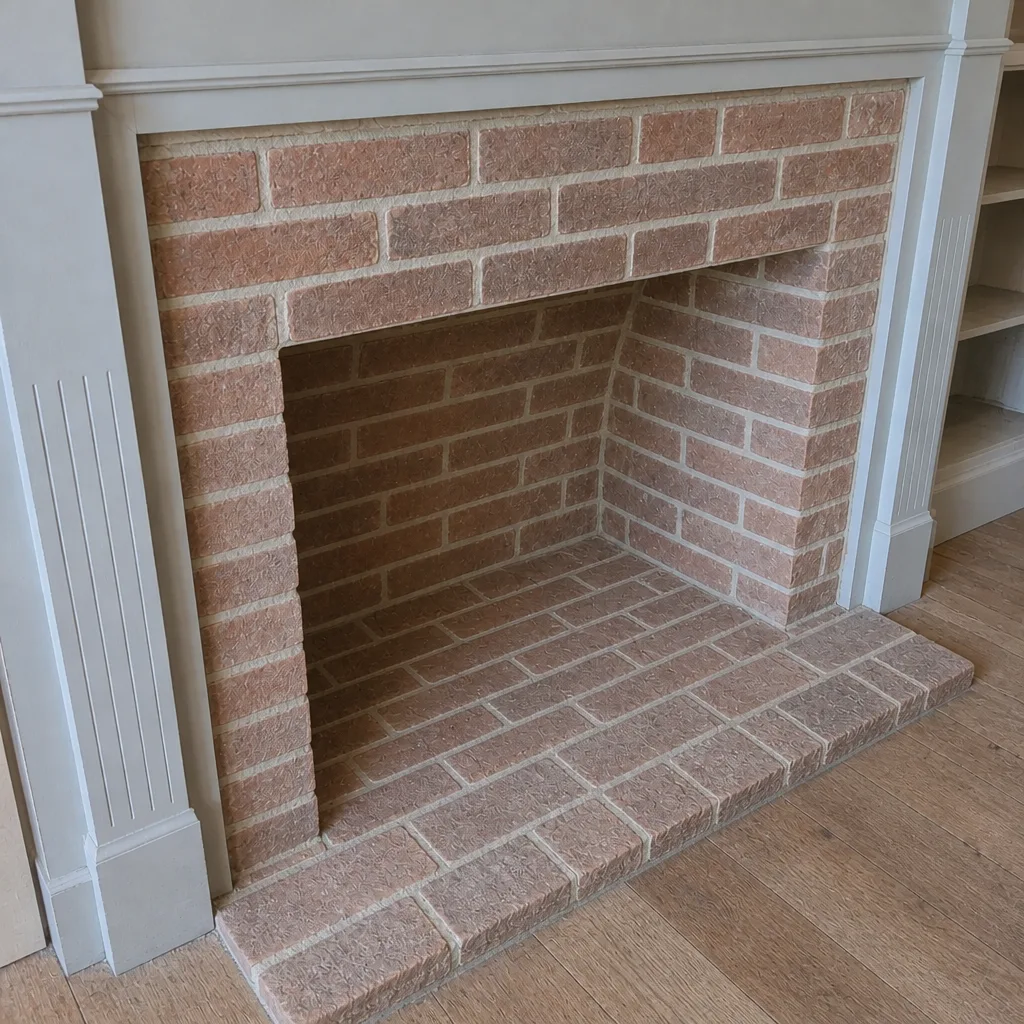
See the difference
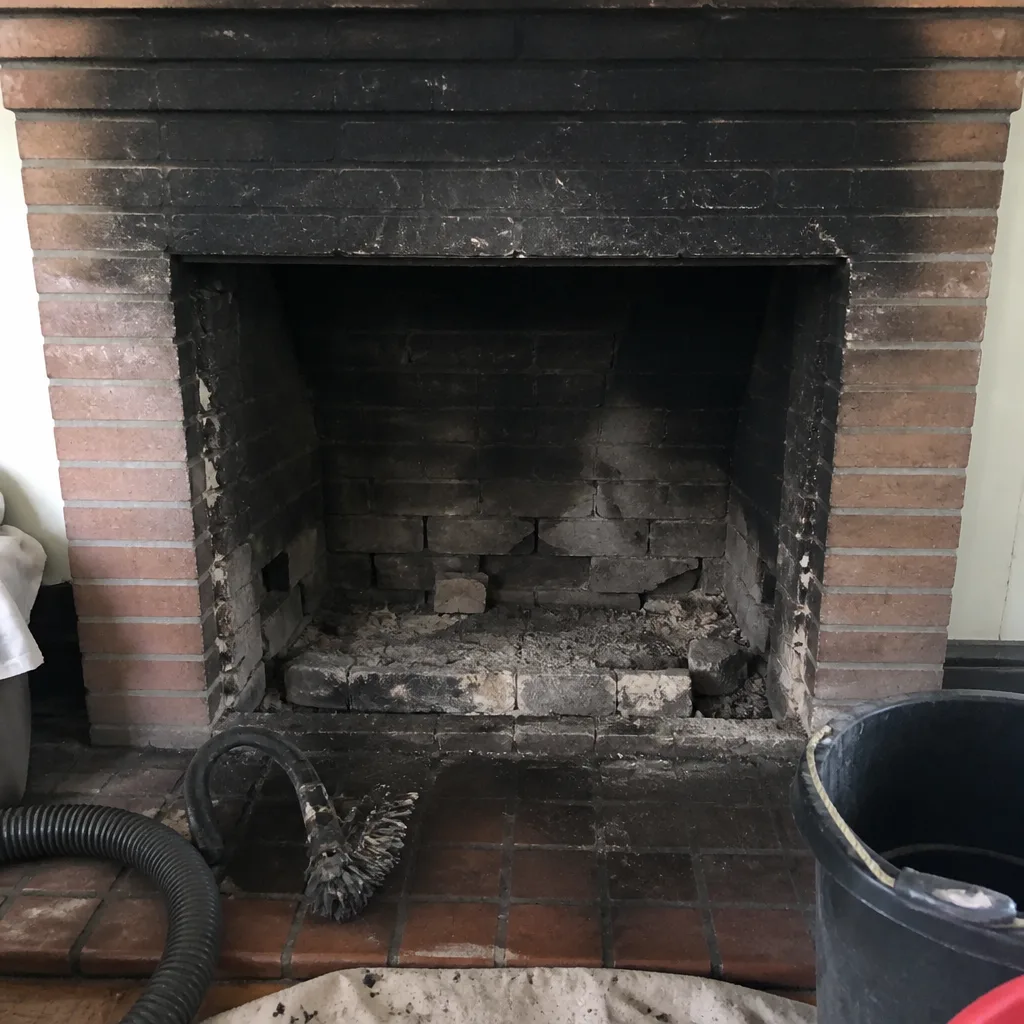 Before
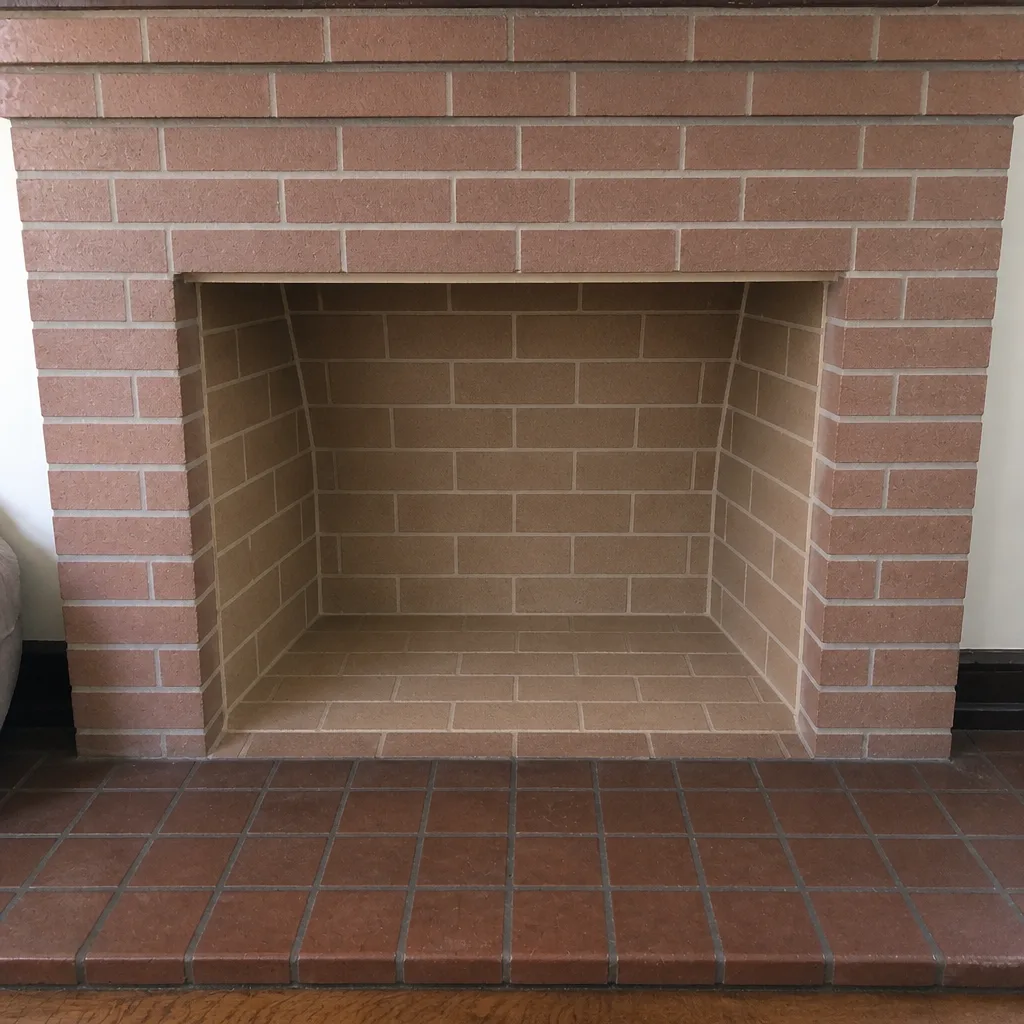 After
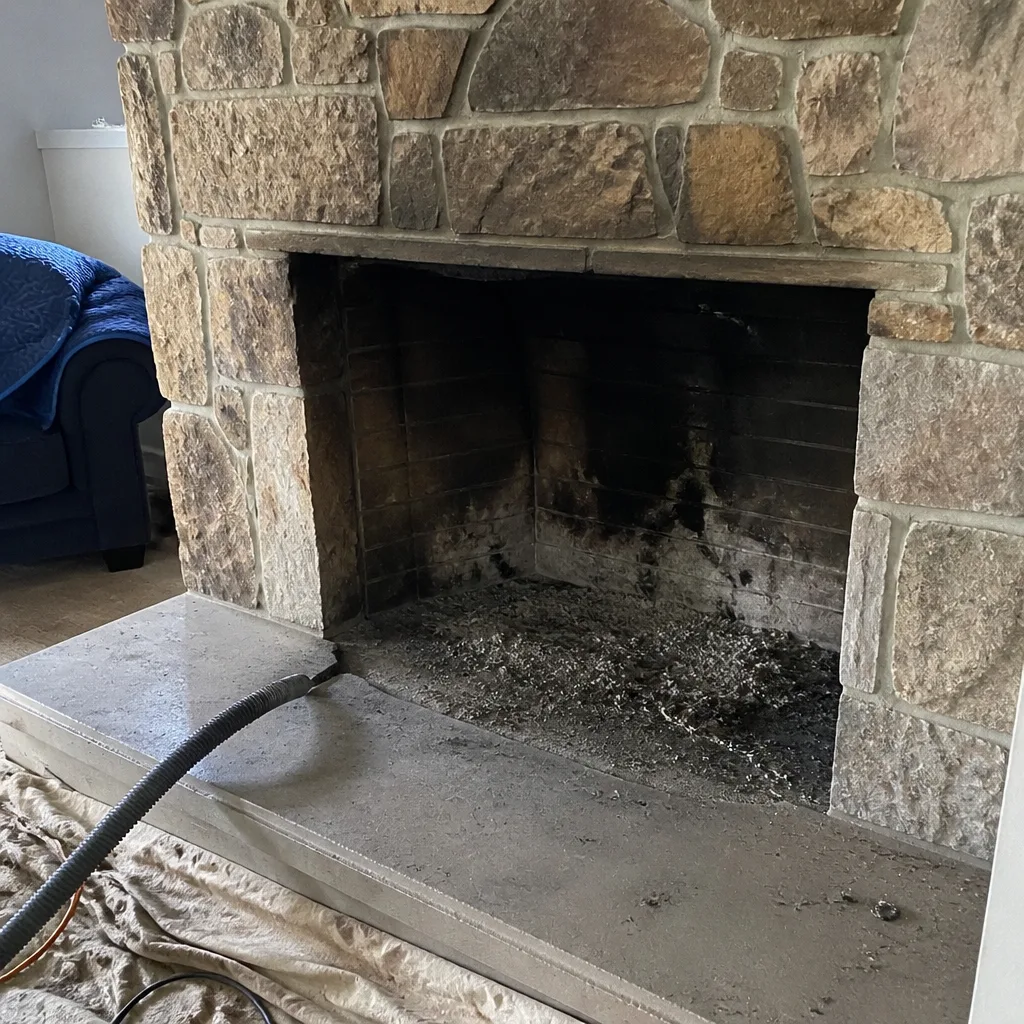 Before
 After
 Before
 After
When to Call a Professional
Call a professional if you’ve spotted a crown crack, lifted flashing, spalling brick, interior wall staining, a stuck damper, or visible damage in the firebox or smoke chamber. Call before the first fire of the season if you haven’t had a sweep in over a year, and call before the first fire in any home you’ve just bought. Call immediately if you’ve had a chimney fire, if you smell a strong odor when the fireplace is cold, or if you suspect a damaged liner. A damaged liner is a safety issue, not a maintenance item, and the fireplace shouldn’t be used until it’s inspected. Tacoma Chimney Sweep Pros offers free estimates in Tacoma. Call (844) 625-6797. We answer 24/7. Fast dispatch from 7am to 7pm, Sunday through Friday.
Frequently Asked Questions
Once a year is the baseline for most Tacoma homes, but match it to your usage: daily wood-burners should sweep before the season and again at mid-season, occasional burners can go annually, and gas inserts need an annual venting and firebox check. An unused chimney should still be inspected every couple of years. Call (844) 625-6797 for an exact quote on your chimney. Estimates are free.
A standard sweep in Tacoma is typically a flat-price service agreed before booking, and the written estimate sets the final price. We quote per job based on the chimney, not a national average. Call (844) 625-6797 for an exact quote. Estimates are free.
Not always. A liner replacement is only needed when the existing liner is cracked, spalled, or missing, and we won’t recommend one without camera evidence you can see for yourself. If the flue is structurally sound but the smoke chamber is rough, HeatShield ceramic resurfacing can restore it without a full reline. We’ll tell you exactly what your flue needs and what it doesn’t. Call (844) 625-6797 for an exact quote. Estimates are free.
Skipping maintenance lets small problems become structural ones. A cracked crown feeds water into the masonry, which leads to spalling brick and eventually a damaged liner. Creosote builds up in the flue and raises the risk of a chimney fire. A damaged liner lets combustion gases into the structure, which is a carbon monoxide risk. None of these announce themselves early. Call (844) 625-6797 for an exact quote. Estimates are free.
Yes, within limits. You can check the crown from the ground with binoculars, the flashing from a window, the firebox with a flashlight, and the damper by opening and closing it. Leave roof access, crown repair, and liner work to a professional. Falls from roofs are the leading cause of serious injury on chimney jobs. Call (844) 625-6797 if you’ve spotted something and want it looked at. Estimates are free.
The smoke chamber. It sits above the damper and below the flue, and most homeowners never look up there. In Tacoma it’s also the zone that stays damp longest after rain gets past a compromised crown, so its mortar joints tend to fail first. A professional sweep should check it on every visit. Call (844) 625-6797 for an exact quote. Estimates are free.
The Bottom Line
A chimney checklist is only useful if it’s calibrated to what actually fails. In Tacoma, that means starting at the crown and working down, paying attention to the smoke chamber, and reading the moisture signals on the brick and interior walls before they become structural. Match your inspection interval to how you actually burn, not to a generic annual rule. Document what you find with photos and notes so a technician can prioritize. And leave the roof-level work to a professional, because a crown rebuilt with the wrong mix cracks again in one season. If you want the full system looked at by a specialist who works with the materials the industry actually specifies, that’s what we do. Call (844) 625-6797 for a free estimate.
Written by the team at Tacoma Chimney Sweep Pros.