
Last updated November 25, 2026
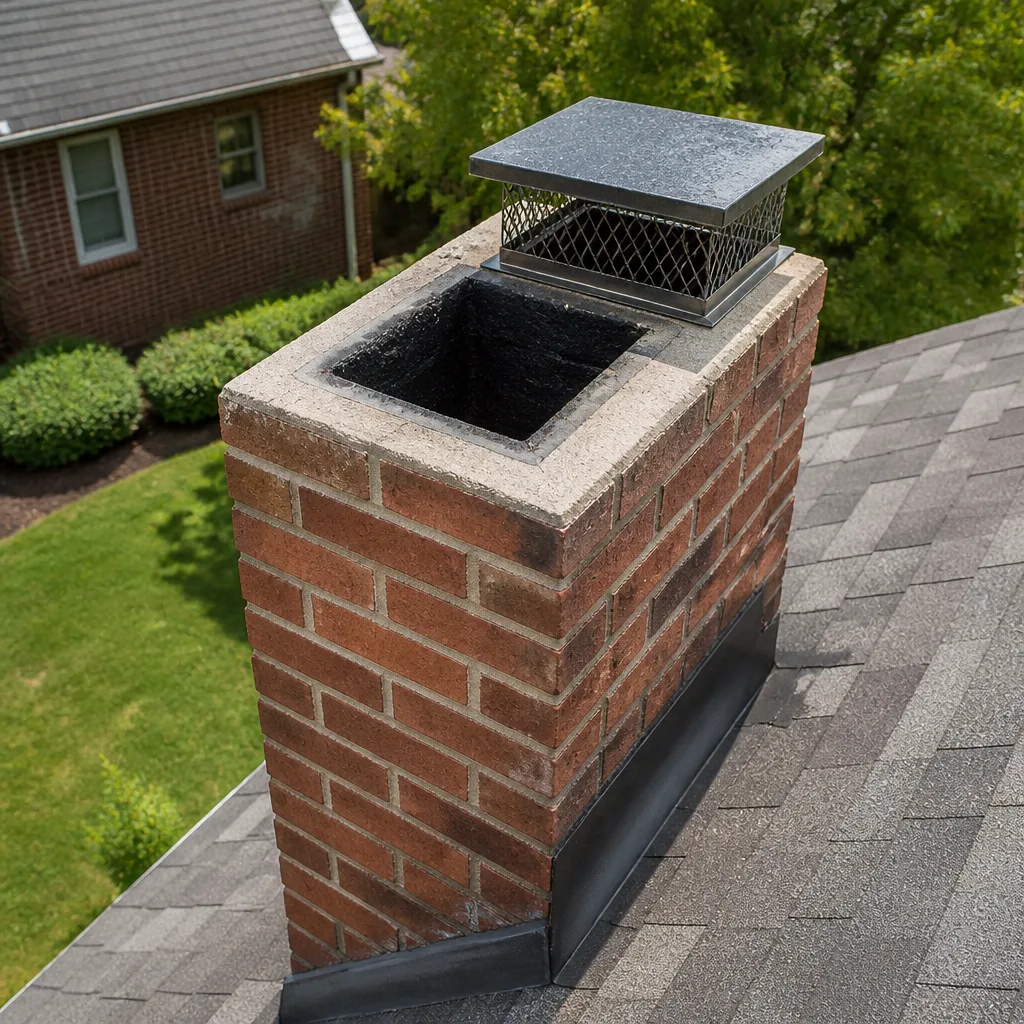 Sweep & inspection
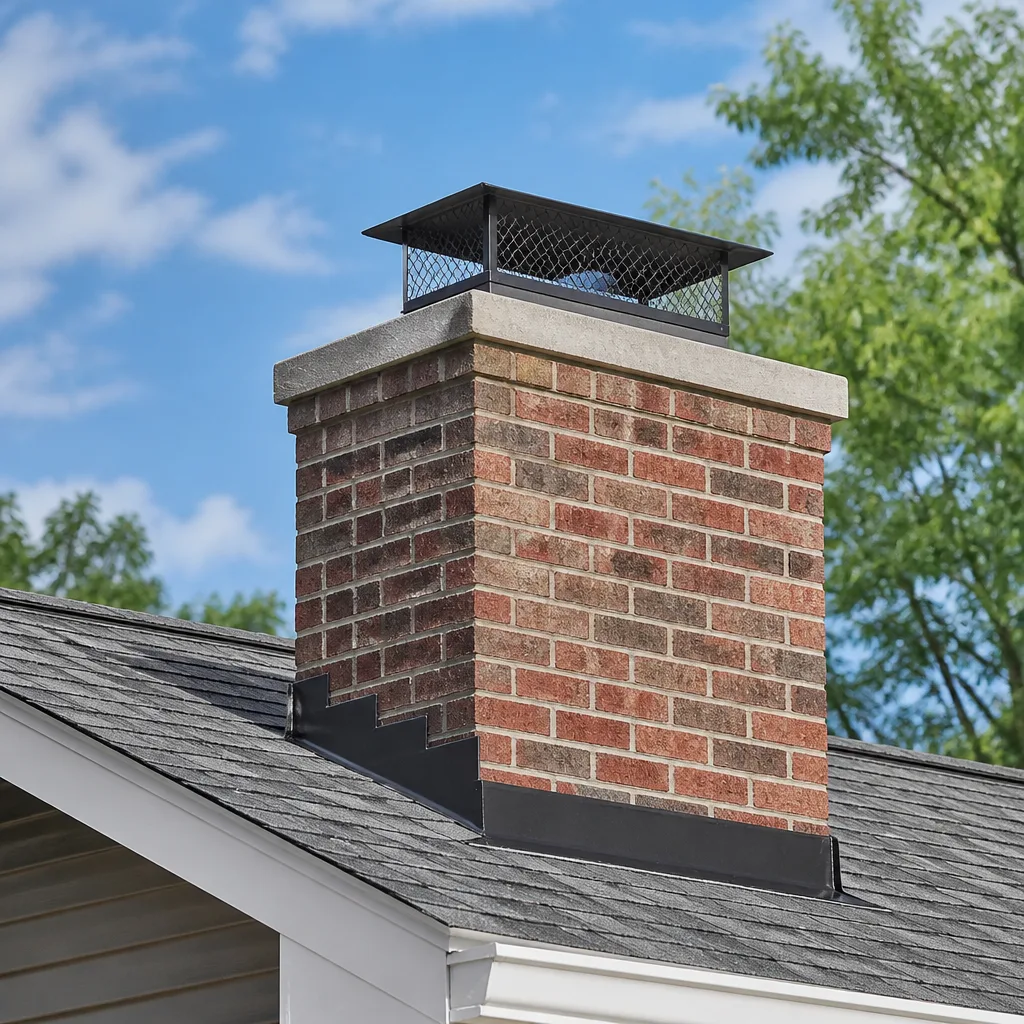 Caps & crowns
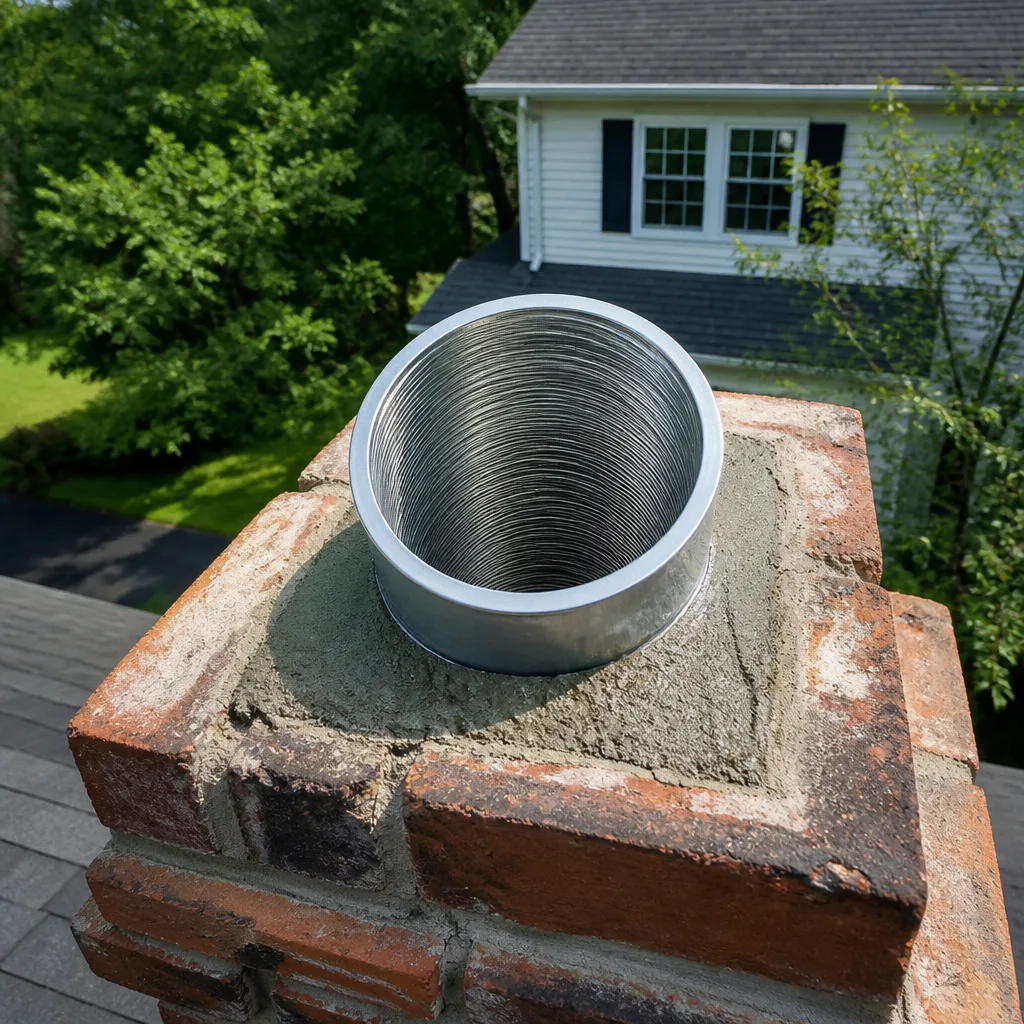 Flue relining
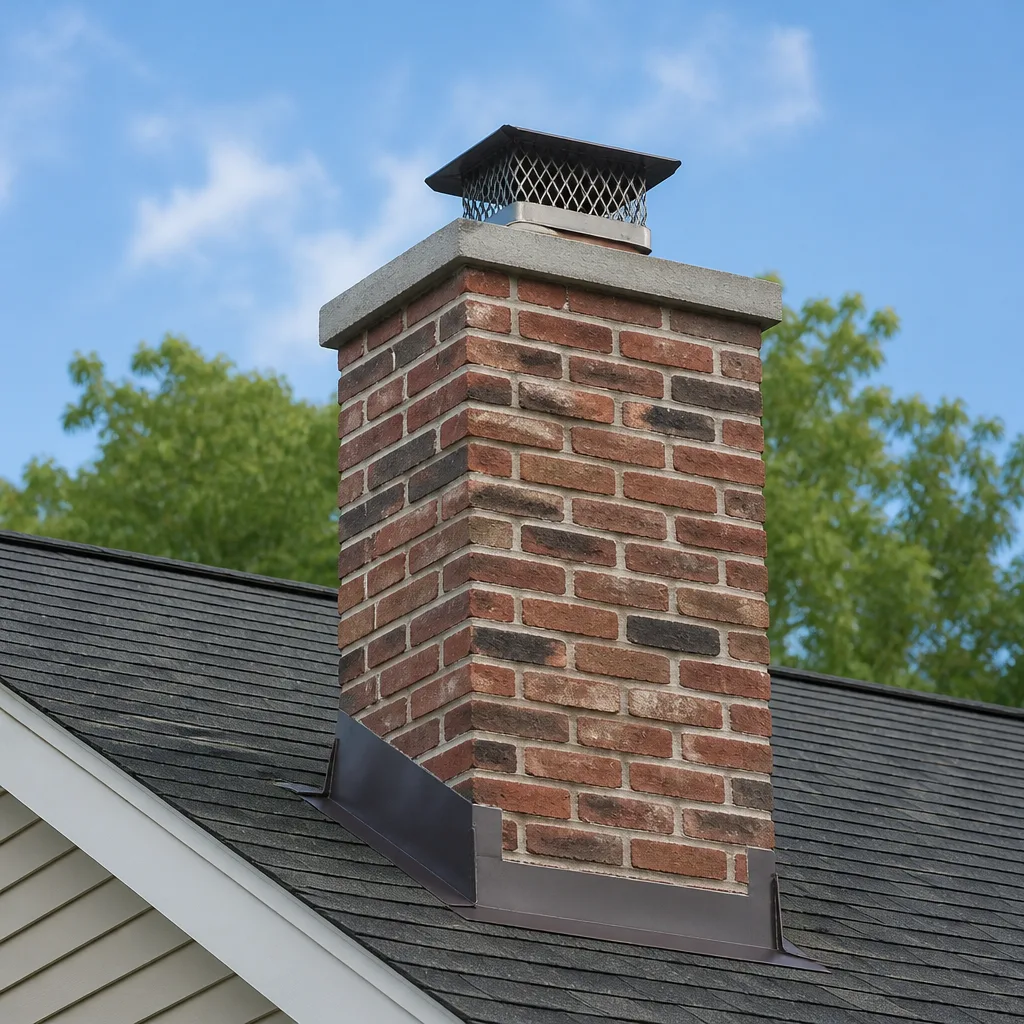 Masonry repair
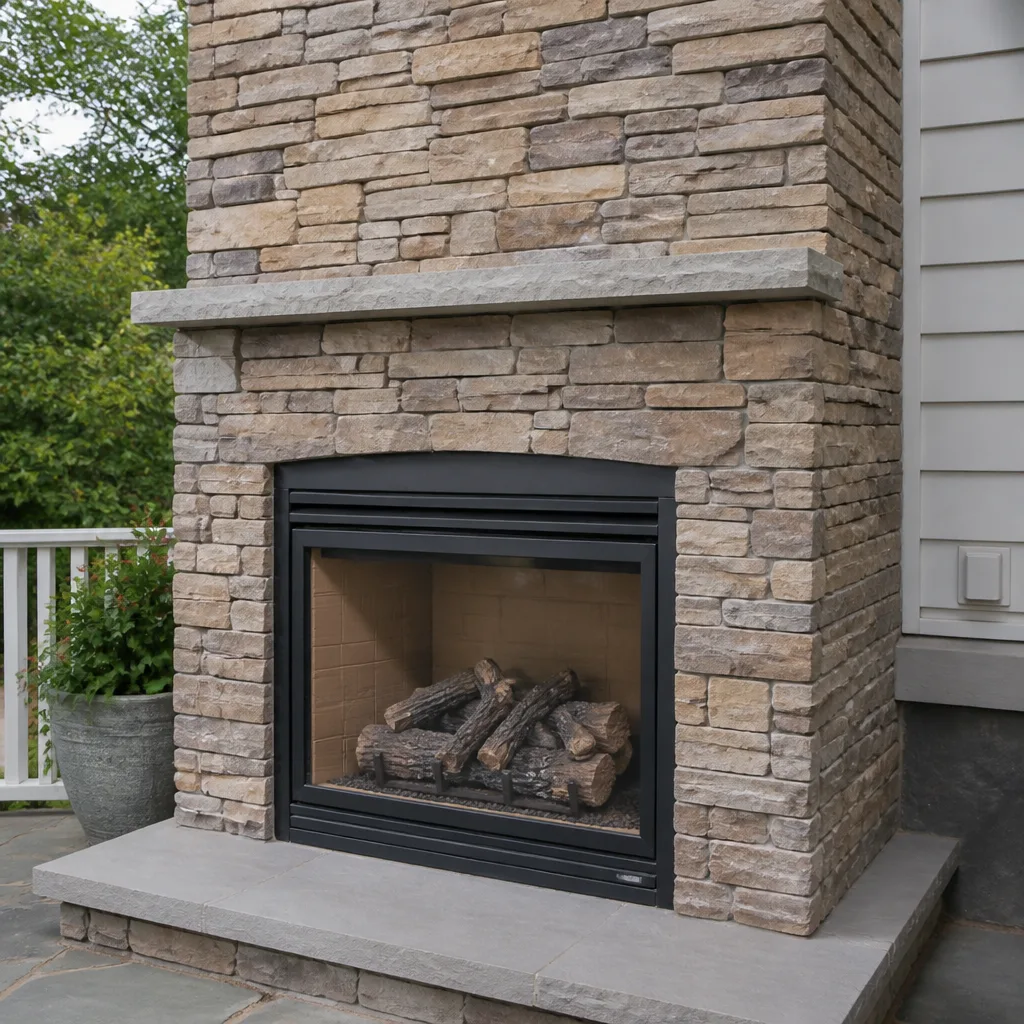 Gas fireplace service
Level 1 sweep and inspection to the NFPA 211 annual standard - flue, crown, cap, and flashing checked and photographed
Chimney sweep logs do not sweep chimneys. They loosen some creosote - which then falls where a brush and vacuum still have to collect it.
Chimney Cleaning Permits, Codes & Inspections in Tacoma, WA: What You Need to Know
Here’s the part most homeowners don’t hear until it’s too late: the sweep itself almost never needs a permit. The repair that follows it often does. In Tacoma, a liner replacement, a firebox rebuild, or a wood-to-gas insert conversion all cross the line into permitted work, and the paperwork is what protects you when you sell. Skip it and the problem stays buried in the chimney until a buyer’s inspector or lender starts asking for records. This guide maps exactly where that permit line sits in Tacoma, how Washington’s fuel-burning appliance rules shape chimney work, what a proper inspection report should contain, and what to keep on file after any structural repair.
Quick Answer
Chimney cleaning and a standard inspection in Tacoma generally do not require a City of Tacoma building permit. Structural work does: replacing a liner, rebuilding a firebox, converting a wood-burning fireplace to a gas insert, or altering the venting system typically triggers a permit from the City of Tacoma or, in unincorporated areas, Pierce County. Work on a one- or two-family home falls under WAC 51-51, Washington’s residential code, and inspections that follow should meet the NFPA 211 standard.
Styles & brands we work with
- Sweep & inspection
- Caps & crowns
- Flue relining
- Masonry repair
- Gas fireplace service
Table of Contents
- Where the Permit Line Sits in Tacoma
- How WAC 51-51 Applies to Chimney Work
- What an NFPA 211 Inspection Report Covers
- City of Tacoma vs. Pierce County Jurisdiction
- Liner Replacement, Firebox Rebuilds, and Insert Conversions
- How Unpermitted Work Affects Insurance and Resale
- What to Keep on File After a Structural Repair
- Tacoma’s Seasonal Rhythm and When to Book
Where the Permit Line Sits in Tacoma
The cleanest way to understand chimney permits in Tacoma is to separate maintenance from construction. Maintenance keeps a chimney working the way it was built. Construction changes the chimney itself. One side of that line needs a permit. The other side doesn’t.
What’s permit-exempt in Tacoma:
- Routine sweeping with brushes or a rotary tool
- A standard visual inspection, including a camera scan of the flue
- Replacing a chimney cap on the existing chase or flue
- Re-sealing or minor repair of an existing crown
- Removing a creosote glaze or a bird or animal nest
What typically triggers a City of Tacoma building permit:
- Replacing or relining a flue with a new liner system
- Rebuilding the firebox masonry or the smoke chamber
- Converting a wood-burning fireplace to a gas insert or gas appliance
- Changing or upgrading the venting system, including a flue size change
- Structural repair to the chimney chase or a rebuild above the roofline
Cap and crown work sits in a gray zone. Replacing a cap on an existing flue is generally straight maintenance. Rebuilding a damaged crown, or altering how the chimney is framed and flashed at the roof, is closer to structural work and depends on scope and on how the local building department reads it. When a job starts to reshape the chimney rather than restore it, it’s worth a quick call to the permit counter before anyone starts cutting.
We’ve seen the same pattern in our work across Tacoma: a homeowner gets a sweep, the technician finds a cracked flue tile, the repair happens quickly and without paperwork, and the gap isn’t discovered for years. That’s the crux of this guide. Sweeping is simple. Verifying a repair is where the value sits. If you’ve ever wondered whether a chimney sweep visit is itself something you need a permit for, the answer is no, and that’s why the paperwork burden shifts entirely onto the repair that follows.
How WAC 51-51 Applies to Chimney Work in Tacoma
WAC 51-51 is Washington’s residential code for one- and two-family dwellings and townhouses. It adopts the International Residential Code with state amendments, and its fuel-burning appliance chapter is the one that follows a chimney through every stage of its life: installation, venting, clearances to combustibles, and any change to the appliance it serves.
Three pieces of it come up most often in Tacoma:
- Venting requirements. A wood-burning appliance must vent through a code-compliant flue. Installing a liner that meets the code is what allows an older chimney to serve a modern appliance.
- Clearances. Distance to combustible materials around the chimney and vent connector is defined in the code, and it’s one reason a firebox issue can’t be patched over with a cosmetic fix.
- Appliance changes. Swapping a wood-burning fireplace for a gas insert is a new appliance installation under WAC 51-51, not a repair. That’s the detail that catches people.
A wood-to-gas conversion is the most misread job in this category. The old assumption is: the flue is already there, so nothing structural is changing. The code reads it differently. The new appliance has its own venting requirements, its own clearances, and its own manufacturer’s installation instructions that the code requires you to follow. A correctly sized liner is often part of the install. And any venting change is precisely the type of work the City of Tacoma expects to see permitted.
The practical takeaway for a Tacoma homeowner is simple. If a contractor is going to change what the chimney vents, or what appliance it serves, treat it as permitted work from the first conversation. If they’re going to clean, inspect, or restore the crown or cap on an existing configuration, treat it as maintenance. When you’re not sure which side of the line you’re on, the permit office can tell you in a few minutes.
What an NFPA 211 Inspection Report Covers
NFPA 211 is the standard for chimneys, fireplaces, vents, and solid fuel-burning appliances. It’s the reference Tacoma home inspectors and insurers rely on because it gives them a consistent language for describing chimney conditions across three levels of inspection.
The three levels:
- Level 1: A visual inspection of readily accessible portions plus the basic sweeps. This is what most annual maintenance visits are, and what the standard calls for when an appliance is continuing its normal use.
- Level 2: Everything in Level 1 plus a camera scan of the flue and inspection of accessible attic and crawl spaces. This is the standard for a home sale, a new appliance, a change in fuel, or after an event like a chimney fire. Most Tacoma home sales trigger this level.
- Level 3: Everything in Level 2, plus opening concealed areas when a hazard is suspected. Reserved for cases where the evidence points somewhere a camera can’t reach.
A proper Level 2 report should document the flue interior condition, the firebox, the smoke chamber and damper, the crown and cap, clearances to combustibles, the venting configuration, and any observed defects. It should photograph the interior where a camera was used. It should close with a recommendation, and it should be specific enough that a buyer’s inspector or your insurer can follow it.
We include a camera inspection and a photo report with every sweep for exactly that reason. A report is only useful if someone else can read it and understand what they’re looking at. If the text says “flue damage” and there’s no photograph, no measurement, and no recommendation, ask for a better one. The chimney professionals in Tacoma we work with write reports a buyer’s agent can follow, because that’s the whole point of the document.
City of Tacoma vs. Pierce County Jurisdiction
Where your home sits determines which building department reviews the permit. That sounds like a bureaucratic detail until you’re standing at the wrong counter.
If your address is inside Tacoma city limits, the permit runs through the City of Tacoma’s building department. If you live in an unincorporated area of Pierce County, even one with a Tacoma mailing address, the permit runs through Pierce County. The code adoption and the state residential code are shared, but the review process, the inspection schedule, and the paperwork are not. A homeowner in a Tacoma-zip area can spend an hour on the wrong side of this before anyone tells them.
Tacoma itself is a patchwork of housing stock. North End homes often carry original masonry chimneys from the early twentieth century. Central and South Tacoma neighborhoods have a mix of post-war construction and older remodels where a prior owner may already have altered the flue. Hillside homes on the west side get wind exposure off the water that works away at crowns, caps, and flashing. All of it matters for the permit question, because older chimneys are more likely to have undocumented work from a previous owner, and that history is exactly what a permit pulls up during a sale.
One useful habit: before you buy any home in Tacoma with a fireplace, pull the permit history for the address. Most local building departments can search by parcel. If the chimney was relined at some point, a permit should show up for it. If nothing shows up, you’re looking at an undocumented liner, and that’s a conversation to have with the seller.
Liner Replacement, Firebox Rebuilds, and Insert Conversions
These three are the structural jobs that most often cross into permitted work in Tacoma. Here’s what each one involves and how the process actually runs.
Liner replacement
A flue reline is a construction project. The old flue gets assessed, cleaned, and prepped, then a new liner goes in. Flexible liners like DuraFlex are common for older Tacoma homes with offset or irregular flues that a rigid liner can’t navigate. A stainless system like Olympia Chimney is another route for straightforward straight flues. A correctly sized liner meets the venting requirements of WAC 51-51 and is part of what makes an older chimney serve a modern appliance.
Firebox rebuild
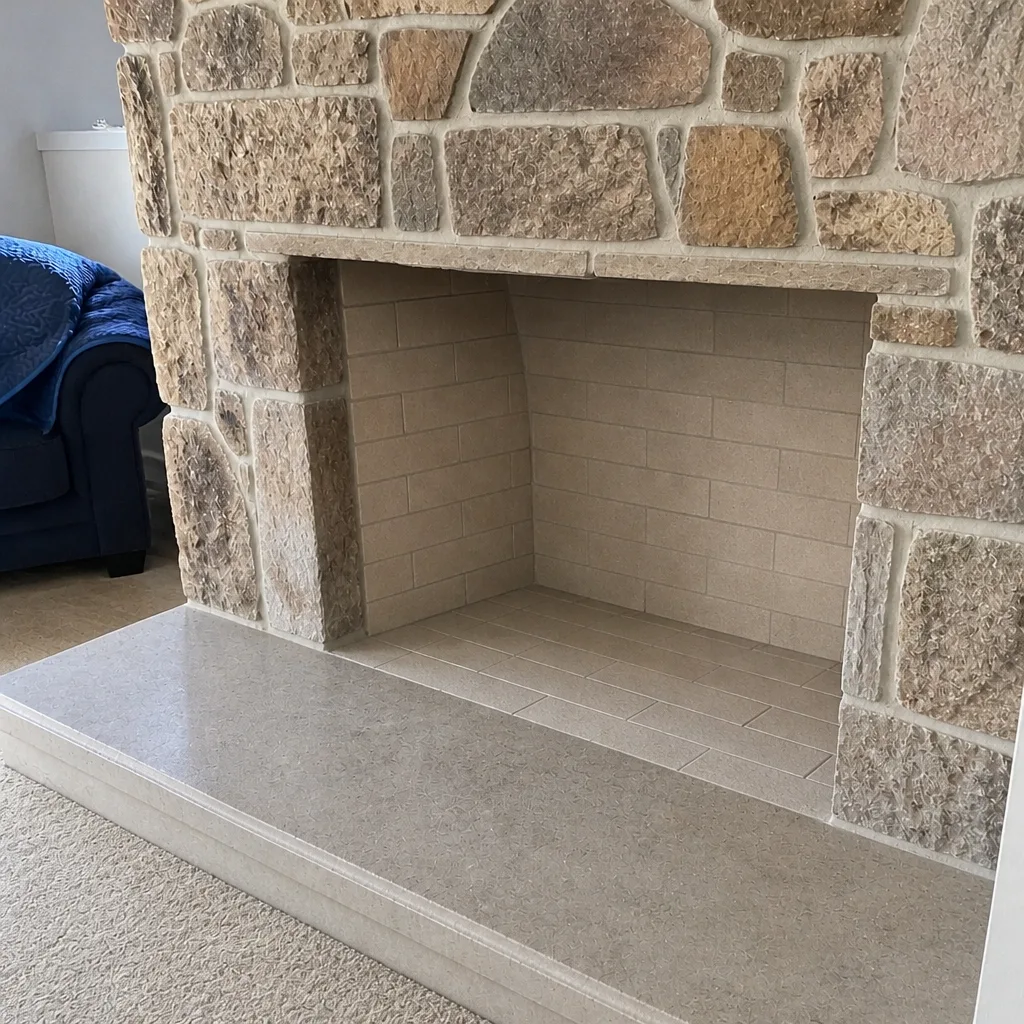
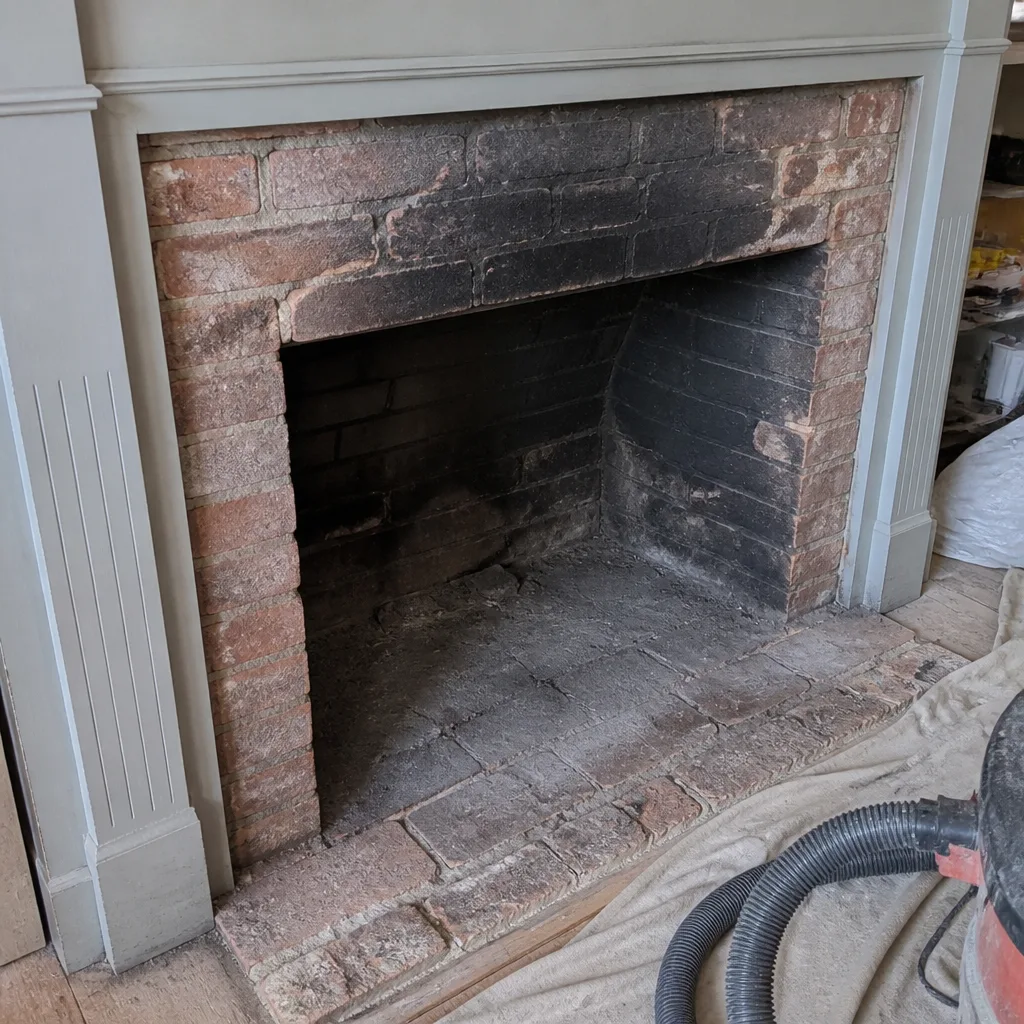
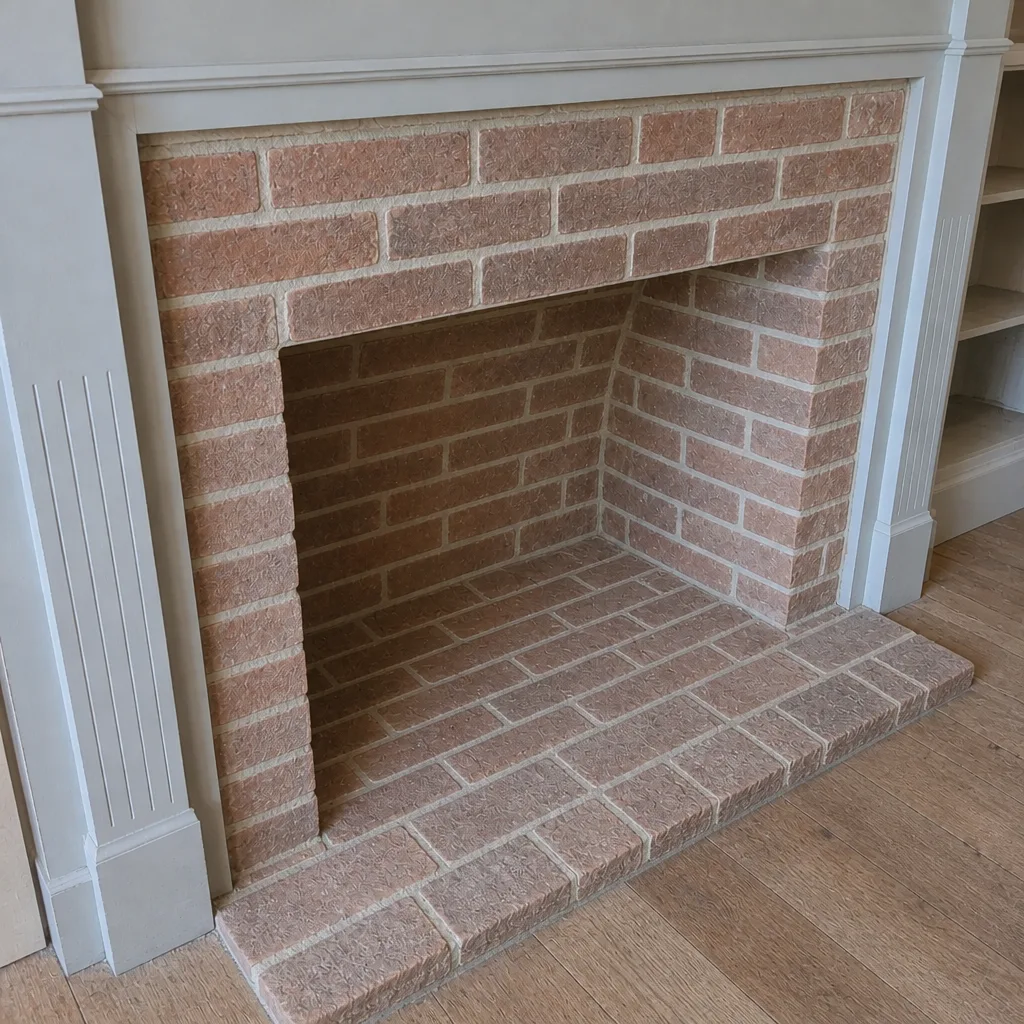
Rebuilding a firebox is masonry work. The old firebox is assessed for structural failure, removed if necessary, and rebuilt. Refractory-grade materials like Copperfield brick or a resurfacing system from HeatShield are the choices in this space. Where the flue is structurally sound and the firebox needs restoration rather than rebuild, a ceramic resurfacing system can restore the surface and save the cost of relining. It’s the option we look for before recommending a full reline.
Insert conversion
This is the most permit-dependent job of the three. A wood-to-gas conversion is a new appliance under WAC 51-51, and it usually requires a liner sized for the new appliance, along with a permit through the City of Tacoma or Pierce County. A properly documented conversion protects the homeowner from a very difficult conversation at resale.
Across all three, the sequence is the same:
- An inspection that identifies the condition and the recommendation
- Confirmation of the permit path with the local building department
- Installation to the manufacturer’s instructions and the code
- An inspection by the building department when required
- A written record kept with the home’s documents
Step five is the one that gets skipped. It’s also the one that pays off.
How Unpermitted Work Affects Insurance and Resale
Here’s the risk in plain terms. If a chimney is relined without a permit, and later a fire or carbon monoxide problem traces back to that work, the insurer’s first question will be about the documentation. Unpermitted structural work is a known claims hazard. More importantly, the disclosure question at resale becomes awkward the moment a buyer’s inspector asks why a recent liner has no permit on file.
That doesn’t mean every unpermitted chimney repair is redone. It means the burden of proof shifts to the homeowner, and the proof gets harder to assemble the longer the work sits undocumented. Permit records carry the date, the scope, the inspection, and the signature. A folder of receipts does not.
For resale, the timing matters. A buyer’s lender often wants the chimney to be working as described. A home inspector running a Level 2 inspection is going to find a defective flue if it’s there. And if the chimney has a new liner with no permit, the appraiser, the inspector, and the lender can all ask for documentation that doesn’t exist. The easiest fix in that situation is a permit and a proper inspection report, which means redoing or re-certifying work that was already paid for once.
One more layer: Tacoma’s underwriters increasingly ask for a chimney inspection report as part of a policy review after a claim or a home purchase. The report needs to be credible, which circles back to the standard in the previous section. If your insurer wants an NFPA 211 inspection, tell the technician before they arrive so the documentation matches what’s being requested.
What to Keep on File After a Structural Repair
The records you keep are the ones that protect you. A short, well-organized file answers almost every question a buyer, an insurer, or a future contractor will ask.
Keep these documents together:
- The permit number and the final inspection sign-off from the City of Tacoma or Pierce County
- The contractor’s written scope of work, including materials and their brand and model
- The manufacturer’s installation instructions and warranty documents
- The inspection report from the job, with photographs of the flue interior
- Any sweep or inspection report from the following year, showing the system’s condition after a season of use
A photo set is worth more than a paragraph. The interior flue photos in an inspection report show the condition before and after and are the hardest thing for a buyer to argue with. They also serve as a baseline for future inspections. When a technician comes back in a year, they can compare.
If the original contractor is gone or unreachable, the permit record is your anchor. It stays with the property’s permit history with the local building department, which is why it’s better than any receipt you can lose. When a future buyer’s inspector asks about the liner, “there is a permit on file with the city” is a complete sentence.
Tacoma’s Seasonal Rhythm and When to Book
Chimney work in Tacoma follows a predictable cycle. The rainy season pushes most homeowners indoors, which means the fireplace gets used heavily from late fall into early spring. By the time the weather dries out, the flue has a season of creosote and the crown, cap, and flashing have been sitting in wet weather. That’s the window to inspect. Summer is also when permit review is fastest, because contractors and building departments are less burdened after the fall rush.
The rhythm we recommend to Tacoma homeowners:
- Book the sweep and inspection in late spring or summer. You get a clear picture of the flue and the whole system with time to plan any repair before the season starts.
- Handle structural repairs in summer. Permit review and installation run smoother, and you aren’t waiting for a crew during the weeks when everyone’s calling.
- Check the cap and crown before fall. Tacoma’s rain and wind do most of their damage to the roofline over winter. Fall is when the evidence shows up.
- Do the pre-season inspection before the first fire. This is the inspection that catches what the spring work didn’t cover.
Chimney sweeps in Tacoma fill up as fall approaches, and the book closes early in the busy months. Booking in the off-season is one of the simplest ways to avoid that crunch. When a structural repair is going to require a permit, the extra weeks matter too. A permit needs review time, and the final inspection needs a scheduled visit, and neither works well when everyone else is calling at once.
Common Mistakes to Avoid
- Assuming a sweep needs a permit. It doesn’t. The confusion costs time and money when a homeowner calls the permit office before they call a sweep. Book the sweep, get the inspection report, and then decide what needs paperwork.
- Skipping the permit on a liner replacement. This is the most common version of the mistake we see in Tacoma. A reline without a permit is undocumented structural work, and it surfaces at resale or after a claim.
- Treating a wood-to-gas conversion as a repair. Under WAC 51-51, an insert conversion is a new appliance installation with its own venting requirements. It’s the wrong category to file under maintenance.
- Using the wrong building department. City of Tacoma or Pierce County depends on the address, not the mailing city. Confirm before anything is submitted.
- Accepting an inspection report with no photographs. A report is a document a buyer or insurer will read. Photographs and specific measurements are what make it useful. A report without them usually isn’t worth filing.
- Losing the permit and inspection paperwork. Store the permit number, the final inspection, the scope of work, and the photographs in one place. A house sale is not the moment to go looking for a receipt from six years ago.
- Letting the sweep report sit in a drawer. A recommendation from an inspection report has a shelf life. If the report says “monitor” and two winters have passed, it’s time to look again.
See the difference
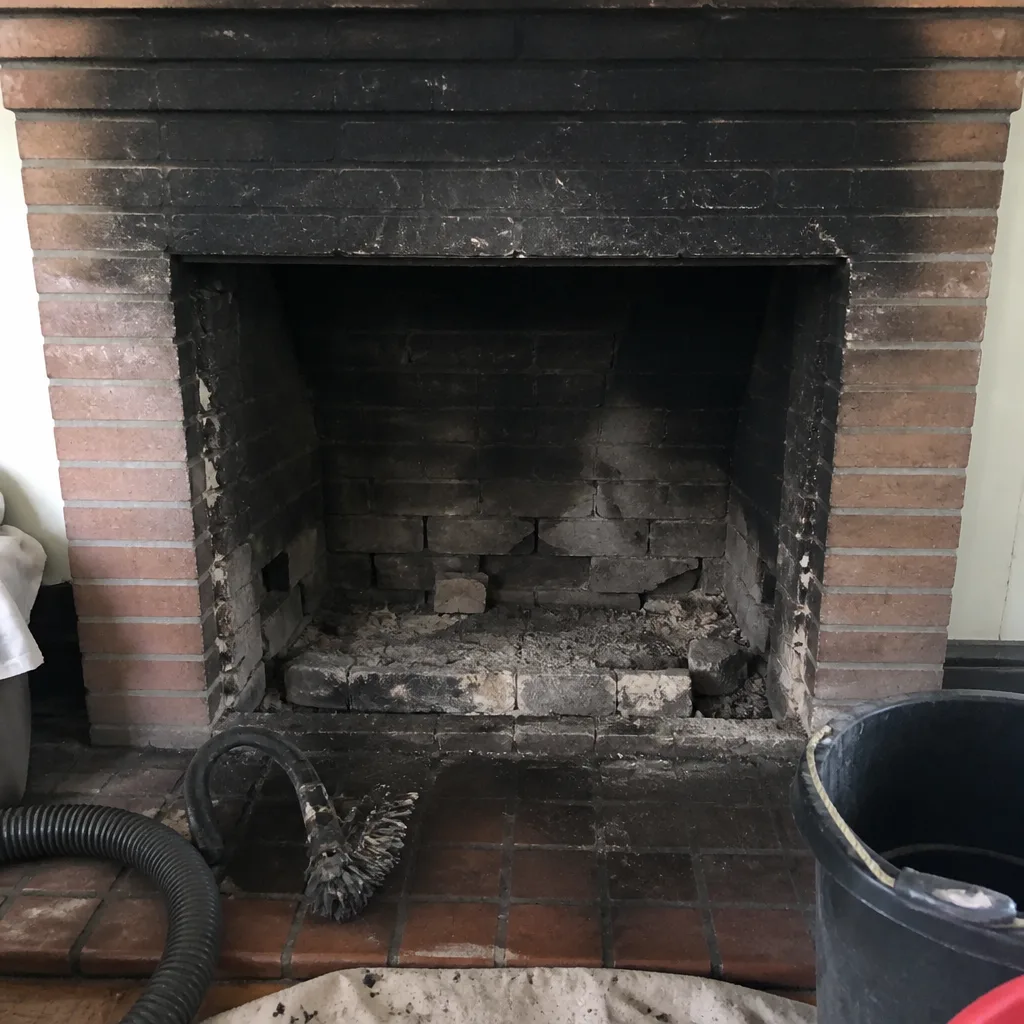 Before
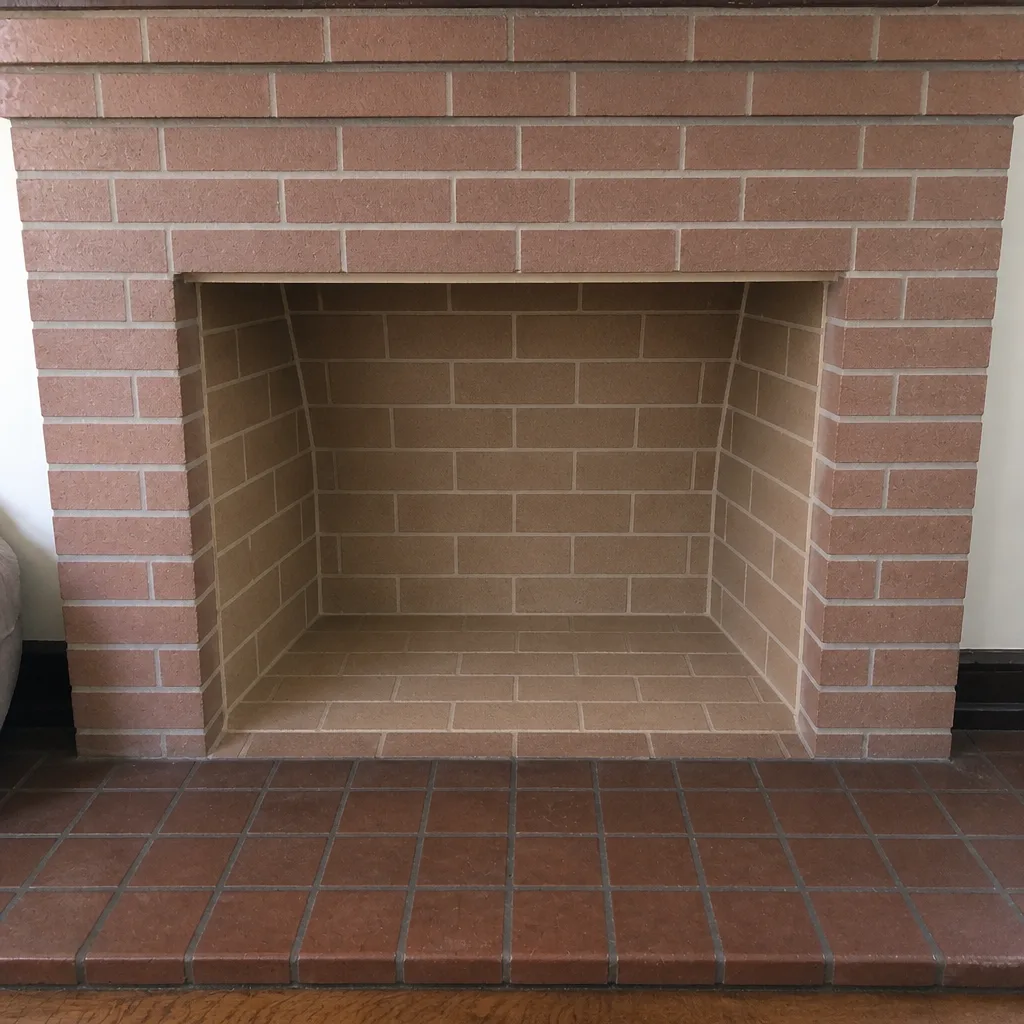 After
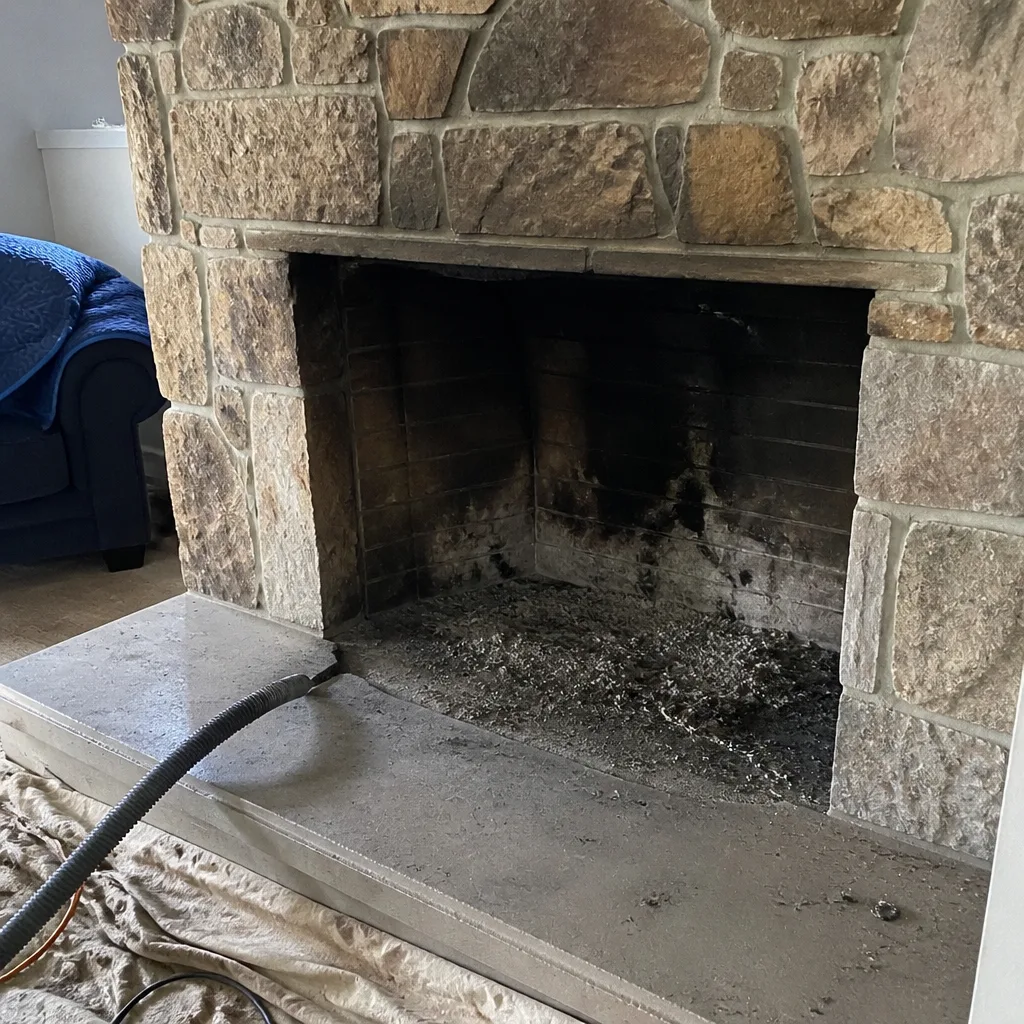 Before
 After
 Before
 After
When to Call a Professional
Call a professional if any of these apply:
- You’re buying or selling a home in Tacoma with a fireplace and want a Level 2 inspection before closing.
- A contractor is proposing a liner replacement, firebox rebuild, or gas conversion and hasn’t discussed the permit.
- You’ve moved into a home with an undocumented liner, or the permit history at the address has gaps.
- Your insurer has asked for a chimney report after a claim or a policy review.
- You haven’t had the chimney inspected before the first fire of the season.
We work with the materials the chimney industry actually specifies, and we’ll tell you exactly what your flue needs and what it doesn’t. If a resurfacing option will serve where a full reline is being proposed elsewhere, we’ll say so. Tacoma Chimney Sweep Pros offers free estimates in Tacoma – call (844) 625-6797. We answer 24/7, with fast dispatch from 7am to 7pm, Sunday through Friday.
Frequently Asked Questions
No. Chimney cleaning and a standard inspection in Tacoma do not require a City of Tacoma building permit. A permit is triggered by structural changes to the chimney, not by routine maintenance. If the sweep finds a defect that needs a repair, that’s when you call the building department, not before.
Call (844) 625-6797 to book a sweep and inspection with a report you can actually use – estimates are free.
Yes, in most cases. A liner replacement is treated as construction work rather than maintenance, and it typically requires a permit through the City of Tacoma or Pierce County depending on the address. A liner system like DuraFlex is installed to the manufacturer’s instructions and to the venting requirements of WAC 51-51, and the permit is what documents that it was done correctly.
Call (844) 625-6797 for an exact quote on the reline and a clear explanation of the permit path – estimates are free.
Your address decides which building department reviews the permit. If the home sits inside Tacoma city limits, it’s the City of Tacoma. If it’s in unincorporated Pierce County, even with a Tacoma mailing address, it’s Pierce County. The state code is the same, but the review process, the inspection schedule, and the paperwork differ.
Call (844) 625-6797 and we’ll help you confirm which jurisdiction applies before the work begins – estimates are free.
A Level 2 NFPA 211 inspection covers the flue interior (including a camera scan), the firebox, the smoke chamber and damper, the crown and cap, clearances to combustibles, the venting configuration, and any observed defects, with photographs of the interior condition. It closes with a recommendation. That’s the report Tacoma insurers and home inspectors reference, which is why photographs matter as much as the written findings.
Call (844) 625-6797 to schedule a camera inspection with a photo report – estimates are free.
Nothing surfaces immediately, and that’s the problem. The gap shows up later: during a home sale, an insurance review, or when a buyer’s inspector asks for documentation that doesn’t exist. Unpermitted structural work becomes a disclosure issue, and the fix often means redoing or re-certifying work that was already paid for. The permit record is what prevents that scenario.
Call (844) 625-6797 if you’re unsure what’s on file at your address – estimates are free.
Annually, and before the first fire of the season is the right time to book. A fireplace used heavily during Tacoma’s wet months builds creosote over a full season, and one inspection per year is what catches the buildup before it becomes a hazard. Structural repairs should be handled in summer, when permit review and installation run smoother.
Call (844) 625-6797 to book your pre-season inspection – estimates are free.
The Bottom Line
In Tacoma, the permit question is simpler than it looks. Cleaning and standard inspection are maintenance. A liner replacement, a firebox rebuild, a wood-to-gas insert conversion, and any structural change to the chimney are construction work, and they typically need a permit through the City of Tacoma or Pierce County. WAC 51-51 applies to the venting and appliance side of the work, and NFPA 211 is the inspection standard your buyer, appraiser, and insurer will reference. The chimney cap & crown work and the fireplace repair you might need afterward both follow the same rule. Keep the permit record, the inspection report, and the photographs in one file. That file is your answer when a sale or a claim asks the question. Call (844) 625-6797 to schedule a free estimate. We answer 24/7, with fast dispatch from 7am to 7pm, Sunday through Friday.
Written by the team at Tacoma Chimney Sweep Pros.